.png?width=2586&height=283&name=VL_LockupHorizontalReverse%20(1).png "Virtuosi League logo")


What the strongest creator strategies reveal about the leadership behaviors required to turn cultural relevance into business growth.
There is no shortage of conversation about the creator economy right now. Nor should there be.
Creator marketing is now a $30 billion-plus global market, and marketers expect spending to grow 1.5 times faster than overall marketing budgets over the next three years, according to new research from BCG.¹ Creators increasingly influence how brands are discovered, experienced, and trusted.
Most sophisticated marketers understand the opportunity. They have strategies, budgets, partners, and growing expectations for what those investments should deliver.
The more interesting conversation may be one level deeper: What does it take to turn creator strategy into sustainable business growth?
At Creator Capital, Virtuosi League convened senior marketers, creators, and industry leaders to explore how brands can drive business growth through creators. The conversation moved quickly beyond platforms, follower counts, and content formats.
Again and again, it came back to leadership.
The curiosity to see opportunities before they become obvious. The judgment to make bets without having every answer. The clarity to set direction while giving others room to create. And the accountability to turn cultural relevance into sustainable business growth.
These aren't new leadership challenges. The creator era is making them harder to ignore.
Curiosity before consensus

Gary Vaynerchuk, Chairman of VaynerX and CEO of VaynerMedia, challenged one of the most familiar assumptions in creator marketing: that the size of a creator's following is the best indication of potential value.
Gary describes today's environment as “interest media.” Algorithms increasingly serve people content based on what captures their attention, whether or not they follow the person who made it.
A creator with millions of followers can make something nobody cares about. Someone with a fraction of that audience can make something that travels.
Gary shared his CAIT framework: Creators, Affiliates, Influencers and Talent. Each plays a different role, from producing content and driving measurable sales to reaching established audiences or bringing the recognition of traditional celebrity.
The framework encourages a more sophisticated approach to investment. What is the brand trying to accomplish? What value can this person deliver? And what is that worth?
As Gary put it, “The individual creative is the variable now.”
He calls the opportunity “underpriced attention”: spotting the person, format or behavior before everyone else has assigned a premium to it.
That takes curiosity and judgment. It also requires the discipline to evaluate opportunities on their merits and the confidence to move before consensus forms.
By the time everyone agrees something matters, much of the opportunity may already be gone.
Give clarity. Give up some control.
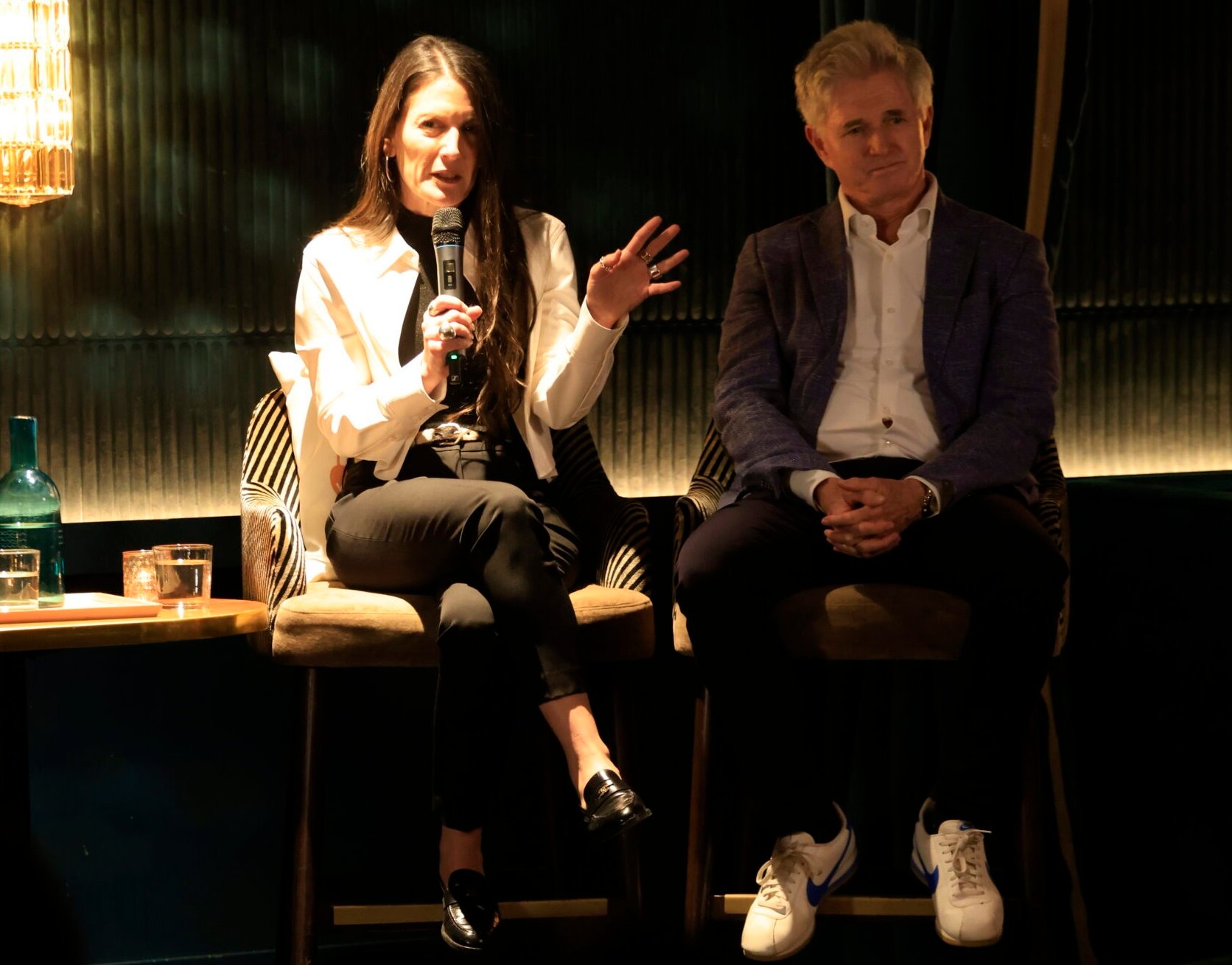
Kory Marchisotto, President of e.l.f. Beauty, offered a useful example of what that looks like inside a brand.
For e.l.f.'s Soft Glam franchise, creators understood the campaign, product and story. Then, as Kory described it, e.l.f. “handed them the baton.”
“Do this your way in a way that's going to be relevant for your audience.”
There were clear guardrails around product information, legal requirements and brand safety. Within them, creators had room to create. The broader marketing flywheel helped Soft Glam deliver 20% growth, according to Kory.
Google and BCG found a similar pattern. High-performing brands provide creators with deeper brand immersion and tailored guidance while giving them greater freedom over execution. They also place more weight on credibility and audience trust than on reach or cost.
Dhar Mann, founder of Dhar Mann Studios, offered the view from the other side of the brief. He described what happens when an idea moves through layer after layer of approval before reaching the person expected to create it. By then, much of the creative opportunity can be gone.
His experience working with the NFL was different. A direct conversation established the audience the league wanted to reach. Dhar understood the objective and his community and the idea moved quickly.
Clarity gives people room to exercise judgment. Great work rarely comes from prescribing every move.
Relevance can start with remembering why people cared

For established brands, the pressure to stay culturally relevant can easily become pressure to constantly reinvent.
Faby Torres, Global CMO of Gap, shared a different approach.
Gap has decades of equity in denim, music, optimism and American style. The work underway is finding contemporary ways for people to experience those qualities again.
Faby described the objective as “driving relevance to drive revenue.”
Creators are part of that strategy, alongside music, employees, social, experiential activations and physical retail. Faby talked about wanting consumers to be able to “touch the brand,” and measuring success partly through the conversations and new relationships those experiences create.
The recent work with KATSEYE is a good example. The talent and execution felt current. The denim, movement and optimism were recognizably Gap. Faby described talent selection almost like managing a sports roster: you make bets. Some work better than others. When the combination is right, consumers tell you.
Relevance doesn't always require reinvention. Sometimes it comes from giving people new ways to experience what made the brand matter in the first place.
Human connection can widen the front door

Tim Ellis, Chief Marketing Officer of the NFL, described another expression of the same idea.
The NFL's “Helmets Off” approach began with a simple ambition: let people see the human being underneath the helmet.
Players' interests, families, personalities and stories created new ways into the NFL. Someone might connect through fashion, music, food or culture before ever connecting through football.
Tim described “Helmets Off” as more than a campaign. It became a philosophy for making the league more interesting by making it more human.
That philosophy also shaped how the NFL approached creators. The organization looked beyond the audience a creator had today to what they might build together over time. transcript_CC
In their research, Google and BCG found the same behavior among high performers: they are more likely to build recurring, long-term creator relationships and involve creators earlier in shaping the work.
Dhar added an important reminder from the creator side. Creators put their own credibility on the line when they attach themselves to a company. Brands aren't the only ones assuming risk.
Trust travels both ways.
Follow the attention. Prove the value.
None of this removes the obligation to deliver business results.
Kory was explicit about that. The marketing engine has to produce top- and bottom-line growth, and leaders have to connect those results for the rest of the enterprise. Doing so earns permission to keep experimenting.
The industry still has work to do. Eighty-five percent of marketers say measuring creator marketing's business impact and ROI is a top challenge, according to a Google commissioned study by BCG.
YouTube also offers an interesting challenge to how marketers think about value. Creator content can continue to be discovered long after it is published, giving strong creative a life beyond a campaign window. According to YouTube, they see that 30% of clicks and 40% of views happen 30 days after creator partnership content is posted.
That scale makes measurement more complex and more important. Reach, engagement, brand effects, paid amplification and conversion increasingly need to be understood together.
Experimentation earns staying power when leaders can explain what they're learning and what it's producing.
What the creator era is revealing
The creator economy deserves the attention it's getting. Platforms will evolve. Commerce will become more sophisticated. AI will make discovery, production, targeting and measurement faster.
The hardest decisions will remain … you guessed it: human.
Who do we trust with the brand? Where do we have permission to show up? When is an unexpected idea worth the bet? What should we protect, and where should we let go?
Creator strategy puts those questions into sharp relief. It asks leaders to stay curious enough to see opportunity early, clear enough to give others room to create, and disciplined enough to connect relevance to growth.
Maybe that's the greater opportunity of the creator era.
It is giving us a glimpse of what modern marketing leadership increasingly requires.
Sources:
¹ BCG – The Power of Authenticity: How Leading Brands Are Pulling Ahead in Creator Marketing