.png?width=2586&height=283&name=VL_LockupHorizontalReverse%20(1).png "Virtuosi League logo")


There Is No Finish Line for Leadership
What “The Road to CMO” taught us about leading at every stage
We called it The Road to CMO, which naturally suggested a destination.
But as we brought together marketing leaders at different stages of their careers, something else emerged. The leaders sharing their experiences were still learning, questioning and adapting, regardless of how long they had been doing the work.
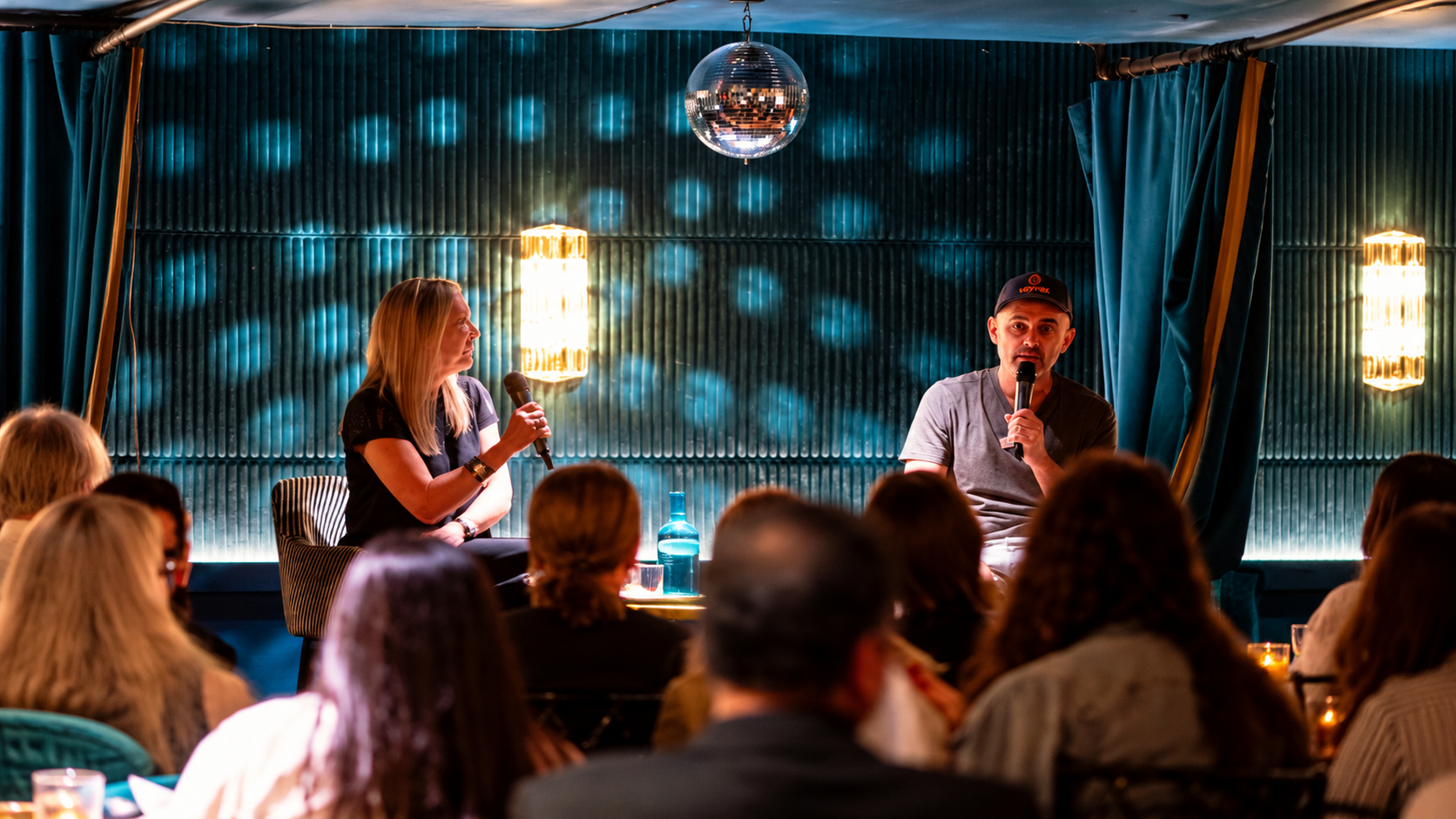
Antonio Lucio, just months into his new role as CMO of PayPal, shared frameworks he is actively using to lead through transformation. Carla Hassan, CMO of JPMorganChase, said that after a long career, she has never been more of a student than she is today. Bené Eaton, CMO of FIGS, talked about leading beyond the boundaries of marketing. Scott Harrison, founder and CEO of charity: water, shared what he has learned about inspiring people to care and participate. And Gary Vaynerchuk, Chairman of VaynerX and CEO of VaynerMedia, challenged leaders to stay curious and build knowledge beyond their own expertise.
Their experiences were very different. Many of the questions were remarkably similar.
How do you lead when the business is changing underneath you? How close do you need to stay to the work? What happens to your remit as your responsibility grows? How do you give people confidence to move forward when you don’t have every answer?
These are questions we’ve been exploring through Virtuosi League’s Leadership Field Guide. The Road to CMO gave us a chance to examine them through the lived experience of leaders doing the work right now.
Experience gives us judgment, perspective and pattern recognition. It also brings new situations that test what we thought we knew.
The title may change, but the learning doesn’t stop.
Start with what the moment actually requires
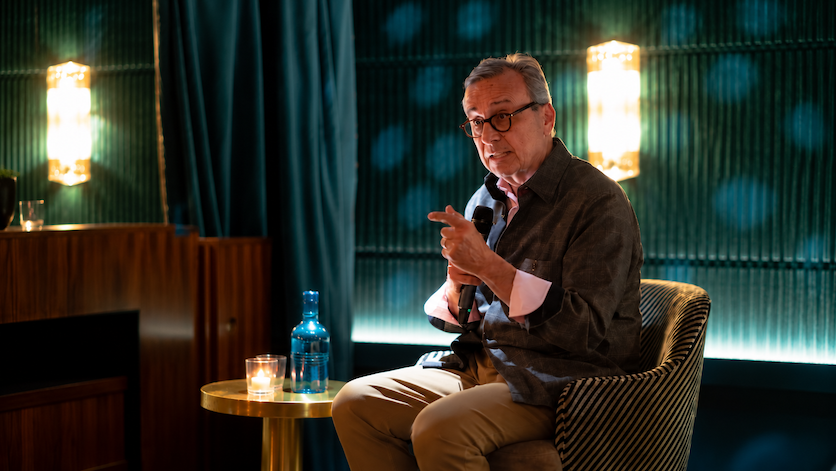
For Antonio, these questions are especially immediate. Only months into his new role as CMO of PayPal, he shared a framework he is actively applying to transformation work today.
His starting point was grounded in the realities of entering a new role. There is foundational work to do: understand the business and its culture, get close to the customer, identify where greater alignment is needed, and assess whether the organization has the right priorities, structure, people and investment behind them.
Antonio’s approach begins with four disciplines:
Context → Clarity → Operational Excellence → Relentless but Realistic Hope
Context is about discerning what matters. Leaders have access to more information, trends and signals than they could possibly act on. The job is to select what is relevant to the business and the task at hand.
Clarity means defining what business you’re in and what business you’re not in. Who is the customer? What problem are you solving in that person’s life? What is your reason to win?
Operational Excellence shifts the focus to the how and the who. People need to understand where they’re going, how the work will get done and who will move it forward.
And then comes Relentless but Realistic Hope. Antonio described the leader’s responsibility to help people believe the work ahead is achievable, drawing on experience to create faith and reassurance while remaining clear-eyed about the challenge.
It’s a practical expression of Enterprise Leadership in an Era of Transformation, one of the Four Leadership Themes in our Field Guide. Transformation creates noise. Antonio’s framework offers a way to find the signal and build the conditions to move forward.
Building something that can last
Antonio then shared a second framework, designed around an equilateral triangle for its strength. Its three sides represent Veritas (Truth), Institutum (Institution) and Humanitas (Humanity). At the center is Akropolis, the Inner Citadel.
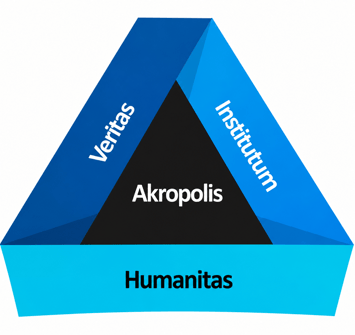
Veritas | Truth
“Role of seeking the deepest level of truth of our consumers, beyond AI.”
We have more data about people than we’ve ever had. AI can help us understand who someone is, what they do and patterns in their behavior with extraordinary precision.
Antonio’s challenge is to keep going.
His approach combines the scale and precision of AI and data with in-depth interviews and ethnography to reach a deeper understanding of the people a business serves.
He shared the example of a consumer in what he calls the “stretched generation”: someone balancing the needs of children and aging parents while carrying concerns about their own future. Data can identify those circumstances. Deeper human inquiry can help reveal how it feels to live them.
That understanding creates the empathy Antonio believes is essential to building sustainable brands.
Institutum | Institution
“Institutional mindset. Only able to serve our consumer by working across verticals.”
Antonio described marketing’s deep understanding of the customer as a way to connect work across the enterprise. As he put it, “You don’t need to be an expert on the technology, you need to be an expert on your customer or the consumer that you’re serving.”
The customer becomes the organizing principle, even when serving that customer requires working well beyond the traditional boundaries of marketing.
The CMO’s role as an enterprise leader is to help the institution act as one—defining the role it wants to play in people’s lives and aligning its products, services, communications, and behavior to build trust, preference and belonging.
Humanitas | Humanity
“Become curators of humanity. Empathy and emotional connection after the AI work is done.”
Antonio uses curator in its Roman sense: protector.
As organizations become better at personalization, his consumer work is also revealing a desire for community and connection. People want their individual needs understood while also knowing others share what they’re experiencing.
Protect what cannot be automated: judgment, imagination, emotion, courage, and accountability. We consistently hear that what consumers yearn for is community and connection, and we can’t leave that behind.
Antonio offered a simple way to understand how the three sides work together: “Veritas is about understanding. Institutum is about building. Humanitas is about caring.”
It’s also a useful lens on Human + Machine: Redefining Culture, another of our Leadership Themes. Greater technological capability increases the importance of staying close to the human experience it is intended to serve.
Akropolis | The Inner Citadel
“The inner citadel that must be protected to deliver our best work and achieve our best life.”
Antonio spoke candidly about learning over the course of his own leadership journey how essential it is to protect that inner foundation.
Transformation consumes time and emotional energy. It requires resilience, repetition and the ability to keep going when progress is uneven. Antonio had prepared deeply for the consumer and institutional dimensions of leadership. Protecting the person responsible for doing that work was something he came to understand through experience.
The placement of Akropolis at the center feels significant. Veritas, Institutum and Humanitas all ask something of the leader, and sustaining that work requires capacity, too.
A question worth asking: What does this moment require of the business, the organization and me as its leader?
Stay close enough to know what “better” looks like
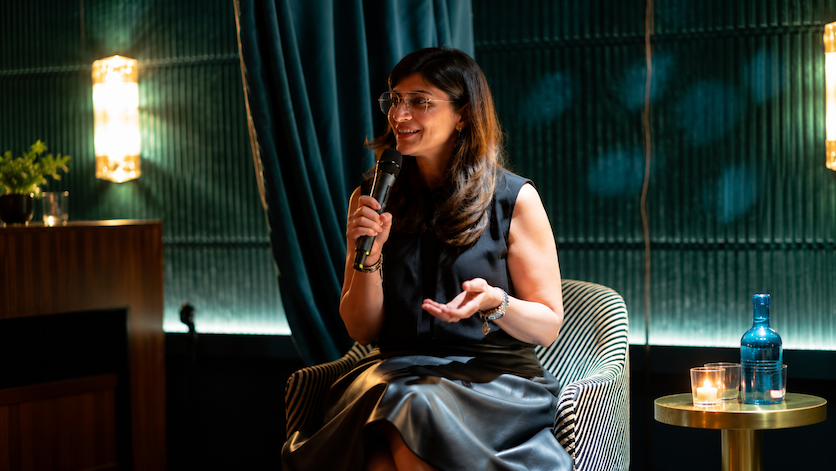
Carla offered two challenges for leaders navigating AI that become even more interesting when considered together.
The first was wonderfully practical: put your hands on the keyboard.
Her own experimentation with generative tools challenged some of her assumptions about what the technology could do. She also described how implementing new AI tools can require considerable training from the people who understand the work best. Transformation can look very different up close than it does from the executive level.
Her second challenge: How does AI make us better, not just faster?
Efficiency and cost savings are obvious opportunities. Getting to better may require experimentation, training and additional resources along the way.
Taken together, we heard something larger in Carla’s advice. Leaders need enough proximity to change to exercise informed judgment about it. In the application, it is also critical to care for the health of team members through the process, who can be cautious, need support or need time to adjust to new tools and ways of working. This sits squarely in the Human and Machine theme.
Gary approached the same challenge from another angle when he encouraged leaders to become “dangerous enough” across disciplines. His point was about becoming a more multi-faceted leader. No leader can master everything, but being too one-dimensional creates vulnerabilities. Building enough fluency across disciplines to understand different perspectives, ask sharper questions and adapt as the landscape changes is increasingly part of the job.
Seniority naturally creates some distance from the work. In a period of rapid change, curiosity can keep that distance from becoming a blind spot.
Try this: Identify one area of change you currently understand mostly through presentations, reports or your team. Get close enough to the work to develop your own questions about it.
Leadership increasingly extends beyond the function
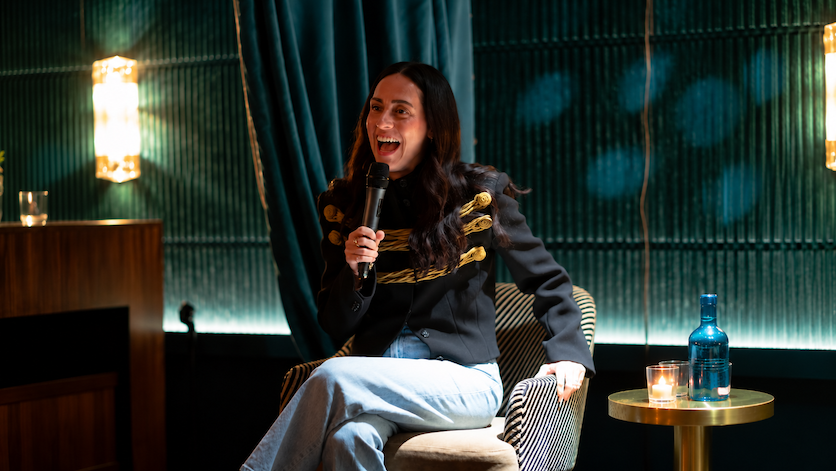
Bené captured this with a line that stayed with us: “We never want our customer to see our org chart.”
She talked about the CMO’s responsibility to hold short- and long-term growth at once, bringing brand and performance toward the same business goals. Demand creation and demand capture ultimately serve the same customer and the same company.
There’s a clear connection between Bené’s perspective and Antonio’s Institutum. Both begin with the customer and ask leaders to work across organizational boundaries to serve them.
Together, their perspectives point to a broader shift we’ve been exploring across Virtuosi League. As marketing leaders take on greater enterprise responsibility, their field of view has to widen with it.
That sits at the heart of Redefining Growth & Marketing Fundamentals in the Leadership Field Guide: connecting the work of marketing more directly to how the enterprise creates value and grows.
Ask yourself: Am I looking at this challenge through the boundaries of my function, or through the needs of the customer and the business?
Credibility has to come before participation
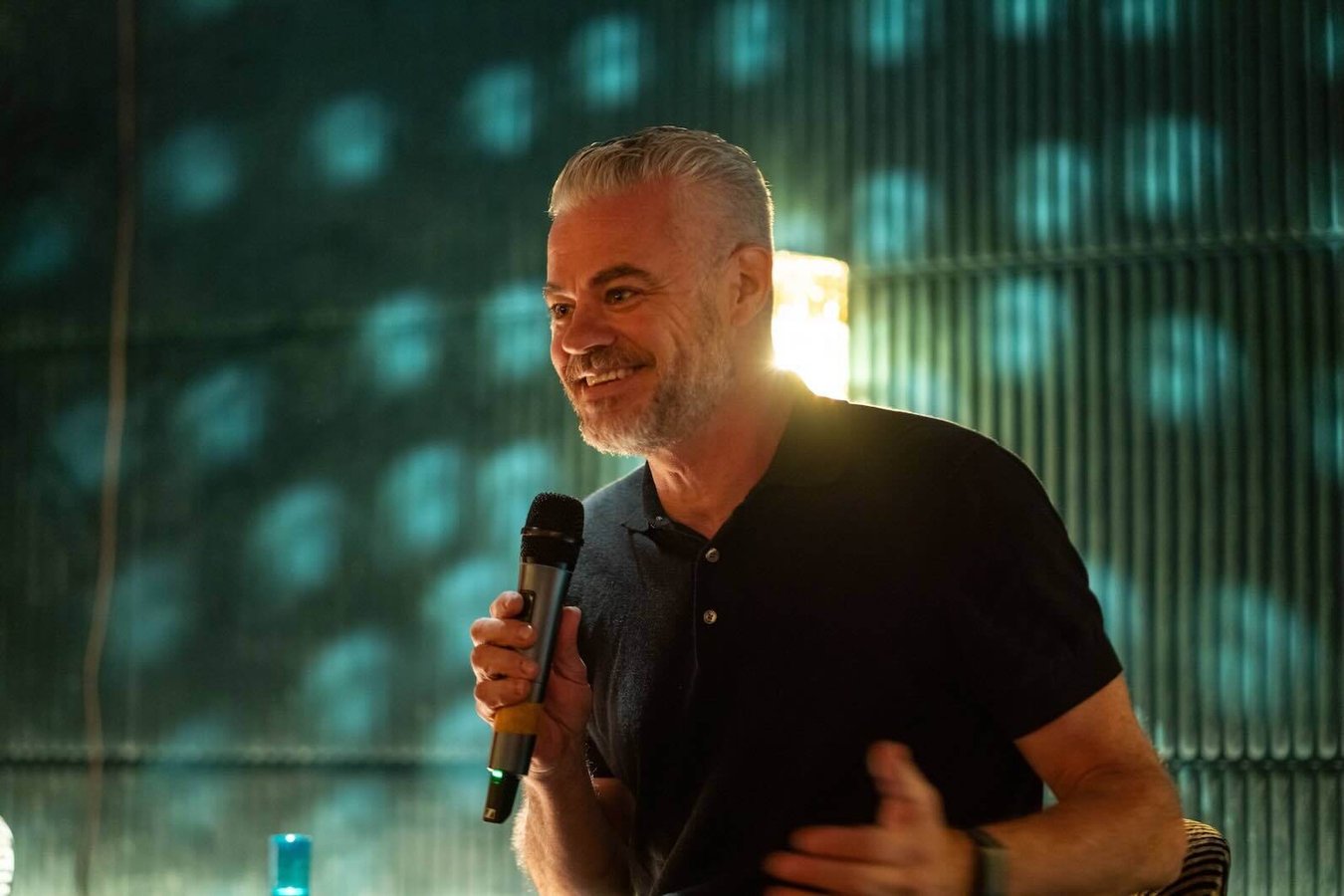
Scott brought a very different leadership challenge into the conversation: how do you move people from apathy to action?
At charity: water, his team has learned to lead with possibility, make the community the hero and show people the tangible impact of their participation. People are given a role in the story and evidence that their involvement matters.
Gary introduced an important tension when he warned against “charity washing.” Association with a cause can ring hollow when the message runs ahead of meaningful action. What an organization actually does determines whether people experience the commitment as credible.
It’s a question we’ve been exploring through Societal Impact, Cultural Credibility & Ethical Leadership and our Cultural Credibility Leadership Model.
The model distinguishes between Power, an organization’s ability to influence, and Legitimacy, whether it has earned the credibility to do so. From there, leaders can determine the role they are positioned to play: leading, convening, supporting, listening or sometimes refraining.
Scott’s experience adds another dimension. Once credibility exists, participation grows when people can see themselves in what happens next.
The question: Have we earned the credibility to participate? And if we have, are we giving people a meaningful way to join us?
Creating movement without certainty
One more idea kept surfacing throughout the day.
Antonio called it relentless but realistic hope: helping people believe there is a path forward while remaining honest about the challenge.
Carla talked about setting clear milestones and being transparent when new learning changes the timing.
Bené shared a philosophy from FIGS: “Make the decision, then make it right.”
Gary talked about conviction: bring evidence, help people understand what you’re seeing and be willing to stay with an informed decision even when the immediate proof hasn’t arrived.
Across those perspectives, we heard a shared challenge: How do you help people move forward when certainty isn’t available?
People need context and clarity. They need to understand why a decision is being made, where they are going and what has changed when the plan needs to evolve.
Experience may never eliminate uncertainty. Its greater value may be helping leaders become more thoughtful about how they move through it.
The practice: Be clear about what you know, what you’re still learning and why you believe the path forward is worth taking.
The road continues
We put a lot of emphasis on titles. They matter. So do experience and expertise. But perhaps one of the greatest advantages of experience is recognizing how much there still is to learn.
That was the thread running through The Road to CMO. Leaders at very different points in their careers were still asking questions, testing assumptions, learning new things and evolving how they lead.
And there’s something optimistic in that.
Leadership keeps giving us another chance to get better. We see things we missed before. Experience changes our judgment. New challenges force us to learn again. Over time, we have the opportunity to become the kind of leaders the next moment requires.
That’s the spirit behind the work we’re continuing through the Leadership Field Guide, and why the lessons from The Road to CMO belong to leaders at every stage.
There is no finish line for leadership. And maybe that’s the opportunity.
No matter how far along we are, there is always more road ahead, and another chance to lead it better.