.png?width=2586&height=283&name=VL_LockupHorizontalReverse%20(1).png "Virtuosi League logo")

The Catalyst
Building bridges isn’t about networking or LinkedIn connections. It doesn’t even start with our own teams.
Many leaders invest the most relational time and energy in their closest concentric circles: direct reports and manager, then working their way out to other cross-functional partners. Meanwhile, the relationships that often have the biggest impact on our ability to lead, which include peers, other senior leaders, and our external network, receive whatever time is left.
It’s hard to notice the imbalance until you need those relationships in the outer circles, and those bridges can’t be built on demand. Tactical support from another function, influencing a strategic decision across multiple teams, or navigating a difficult change all require partnership from those outer concentric circles.
Ken Turner, CMO at Fanatics Collectibles, advises using the Four Bridges model to combat this common squeeze. Build your network in multiple directions, and use his Relationship Audit as an everyday practice to intentionally rebalance where you invest time and attention.
The Approach: The Four Bridges Model
Ken's model reframes relationship-building as a leadership discipline rather than a networking exercise. Instead of thinking about one monolithic professional network, think about four distinct bridges.
Down: Your Team
This is the bridge most leaders know best. Its purpose is to build trust, create clarity, develop people, and create an environment where others can succeed. During a recent LEAP Essentials class, Ken shared how, after becoming CMO in a period of uncertainty, he scheduled hundreds of one-on-one conversations simply to listen. The insight from those conversations surprised him.
"It was less important for them to know me. It was more important for me to know them."
Here, trust wasn’t built through presentations in town halls, but rather brick by brick, one conversation at a time.
Across: Your Peers
As careers grow, leadership shifts from functional expertise to skill at moving through an enterprise. This is also where your peers become your so-called first team. Cross-functional relationships reduce friction, create alignment, and help solve business problems instead of functional ones. They're also where influence compounds; leaders invited into important conversations aren't always the deepest experts, but they have earned enough trust to help move the business forward.
Up: Leadership
“Managing up” can have a negative connotation, seemingly focused on managing impressions more than anything else. In reality, building bridges upward is about building credibility with senior leaders through consistency, understanding priorities, and earning trust over time.
When senior leaders can follow how you think, understand your judgment, and trust your intentions, your ability to influence decisions expands dramatically.
Out: Your External Network
External relationships broaden perspective. Here again, we’re not talking about LinkedIn connections and networking, but rather the deeper relationships that expose us to different industries, ideas, and ways of solving problems. These relationships create opportunities long before you need them.
Ken admitted that he wishes he had started networking much earlier in his career, not simply for career advancement, but because external relationships continually sharpen his perspective and help him lead with greater context.
Note that none of these bridges is more important than another; leadership is built across all four.
The Practice: The Relationship Audit
Knowing the Four Bridges model is the first step. The everyday, habit-forming work happens through the Relationship Audit.
The exercise is intentionally simple, if more challenging to commit to on a regular basis. Placing yourself in the center, first map the relationships in your leadership ecosystem across the four directions. Then ask two questions:
- Where am I investing the most time?
- Where does the greatest leadership impact actually sit?
Those answers are often different. Many leaders discover they're over-invested in one direction while under-investing in relationships that could unlock greater influence, better collaboration, or broader perspective. While it may be tempting to achieve balanced time across all four, the goal is aligning your time and investment with your current goals and objectives.
Leadership becomes more effective when relationship investment across all bridges matches the priorities of the business.
Build Bridges with Purpose
One of the strongest themes from Ken’s session was that relationships shouldn't be transactional.
He challenged leaders to build bridges with intent, because trust compounds over time. Though these habits seem small, over time, they transform acquaintances into trusted partners.
The Takeaway
Your impact tracks where and how you invest your relationships.
The Four Bridges Model reminds us that leadership is measured by the trust we build with peers, the credibility we earn with leaders, the perspective we gain from our external network, and the strength of our teams. Looking around your network, you’ll probably see that the leaders with the greatest reach are the most intentional bridge-builders across all of these axes.
About Ken Turner
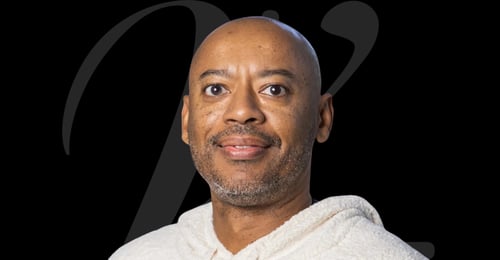
Ken Turner is Chief Marketing Officer at Fanatics Collectibles and former CMO of Red Bull North America. With more than two decades of experience leading marketing and brand strategy, Ken is recognized for his people-first leadership style and his ability to build trust in times of uncertainty. His approach to leadership, rooted in listening, empathy, and connection, has made him a sought-after mentor and advisor for leaders navigating change.