.png?width=2586&height=283&name=VL_LockupHorizontalReverse%20(1).png "Virtuosi League logo")

The Catalyst
For Rebecca Messina, former Chief Marketing Officer at Uber, former Global Chief Marketing Officer at Beam Suntory, and a 22-year veteran of The Coca-Cola Company, moving across companies, countries, and cultures revealed how much leadership depends on context.
She spent more than two decades at Coca-Cola, beginning as an intern days after graduating from college and eventually taking on roles in Atlanta, Chile, Australia, and France. Her experiences there informed and reinforced her understanding of leadership.
So when she left Coca-Cola to lead marketing and innovation at a different company, the CEO asked Rebecca a question that would take on greater meaning over time: "How will we know you're going to be successful here?" She initially pointed to her experience adapting across countries and cultures. But once she entered the organization, she discovered through trial and error that succeeding in this new environment required a different kind of adaptation.
Rebecca initially relied on the experiences that had made her successful: stories from her past roles, tried-and-true marketing practices, and examples from her previous company to illustrate what was possible. Though her intentions were good, her team experienced those anecdotes very differently.
During a candid conversation, her manager told her that the transition was not going nearly as well as she believed. Team members felt unseen, and the repeated references to Coca-Cola had begun to feel like comparisons with an organization they could never replicate.
The Approach
This experience shaped what Rebecca calls the Context Calibration Model, which reflects one of Virtuosi League's Six Pillars of Leadership: Understand the Landscape.
Rebecca course-corrected by changing how she showed up. At an upcoming global town hall, rather than delivering another business update, she apologized to hundreds of employees for talking more than listening and for failing to understand the organization she had joined. The experience clarified a distinction that would guide her through future transitions.
"I learned that I can adapt to the situation, but I don't have to adapt my values," she said. "I think we can hold both true."
For experienced leaders, that distinction is critical. Values can remain steady while the behaviors used to communicate them evolve. Leaders can preserve their standards, principles, and sense of purpose while recalibrating how they build trust, influence decisions, and connect with the people around them.
Rebecca learned another version of that lesson while working in France. She arrived speaking virtually no French, and her assistant, despite being fluent in English, communicated with her exclusively in French for weeks. Over time, Rebecca understood the deeper message: her team wanted evidence that she was willing to meet them where they were.
Years later, when she became Uber's first Chief Marketing Officer, she applied that lesson deliberately. Rather than importing the traditional language of consumer packaged goods, she learned how people inside Uber already talked about the business. The strategic objective remained consistent, but the language connected her more effectively with engineers, product teams, and executives whose experiences were very different from her own.
More Insights from Rebecca
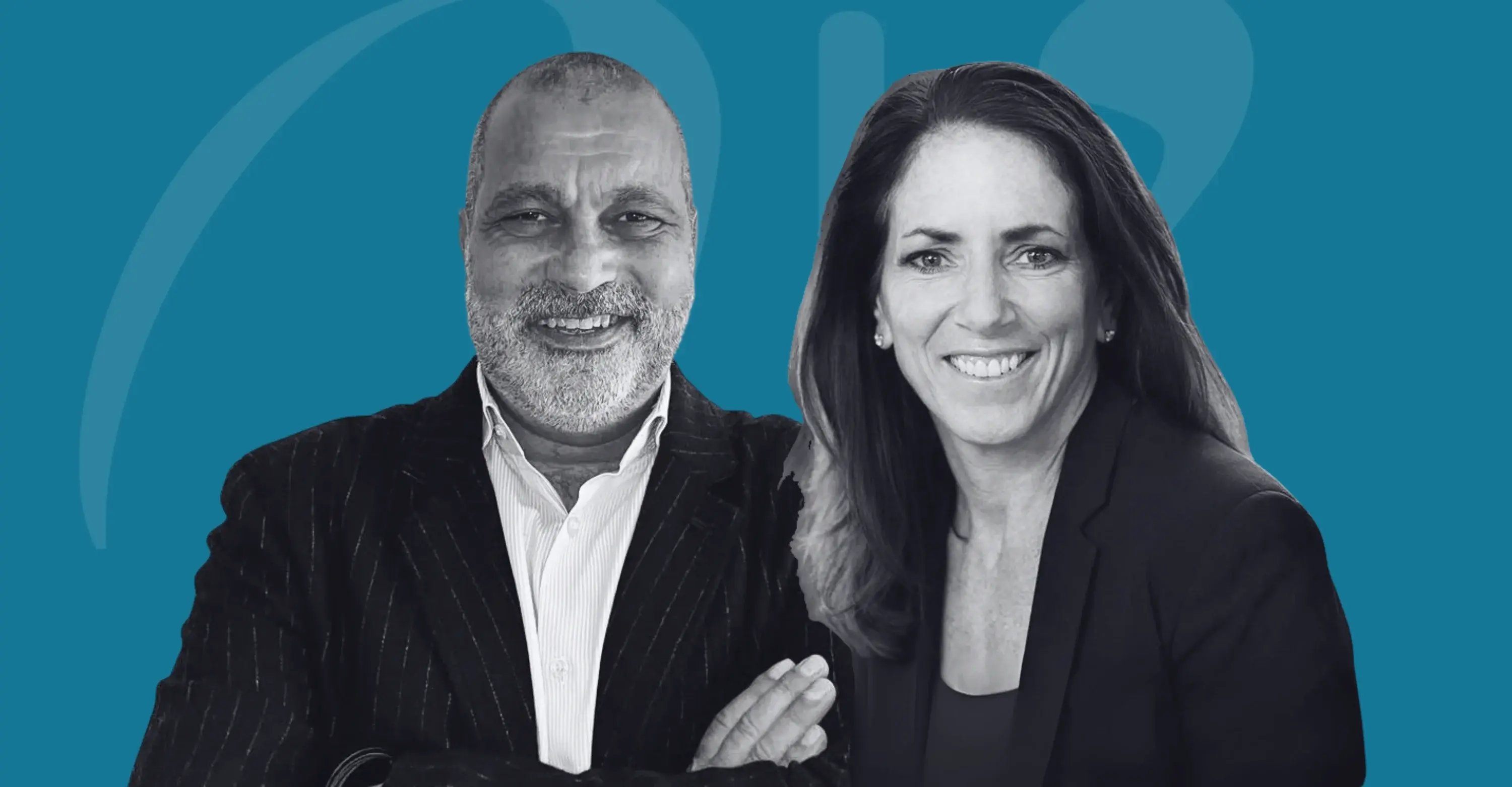
Where these experiences happened in periods of transition for Rebecca, context is key across many leadership situations. Read those insights from Rebecca and Clive Sirkin, former Chief Growth Officer of Kellogg Company.
The Takeaway
People begin forming impressions immediately. They notice whose opinions a leader seeks, which stories they tell, where they spend their time, and how they make decisions. Rebecca learned to treat those interactions as signals, using conversations, fireside chats, questions, and ongoing feedback loops to test her assumptions and adjust her approach.
She describes the central lesson simply: "Context is code for connection."
Every organization has its own language, pace, relationships, power structures, and assumptions about what good leadership looks like. Understanding that landscape requires curiosity from leaders, particularly when previous success gives them a strong and potentially biased instinct for how things "should" work.
The challenge during a transition is to recognize the leadership imprint we bring with us and determine where it fits the new environment. That means listening before drawing conclusions, learning the organization's language, paying attention to early signals, and seeking feedback while relationships are still taking shape.
It also requires separating enduring values from familiar methods. Leaders can maintain the principles that define them while adapting the way those principles come to life for a new team, culture, or organization. By understanding the landscape before accelerating through it, leaders can build trust more quickly, make better decisions, and create the conditions for their experience to have its greatest impact.
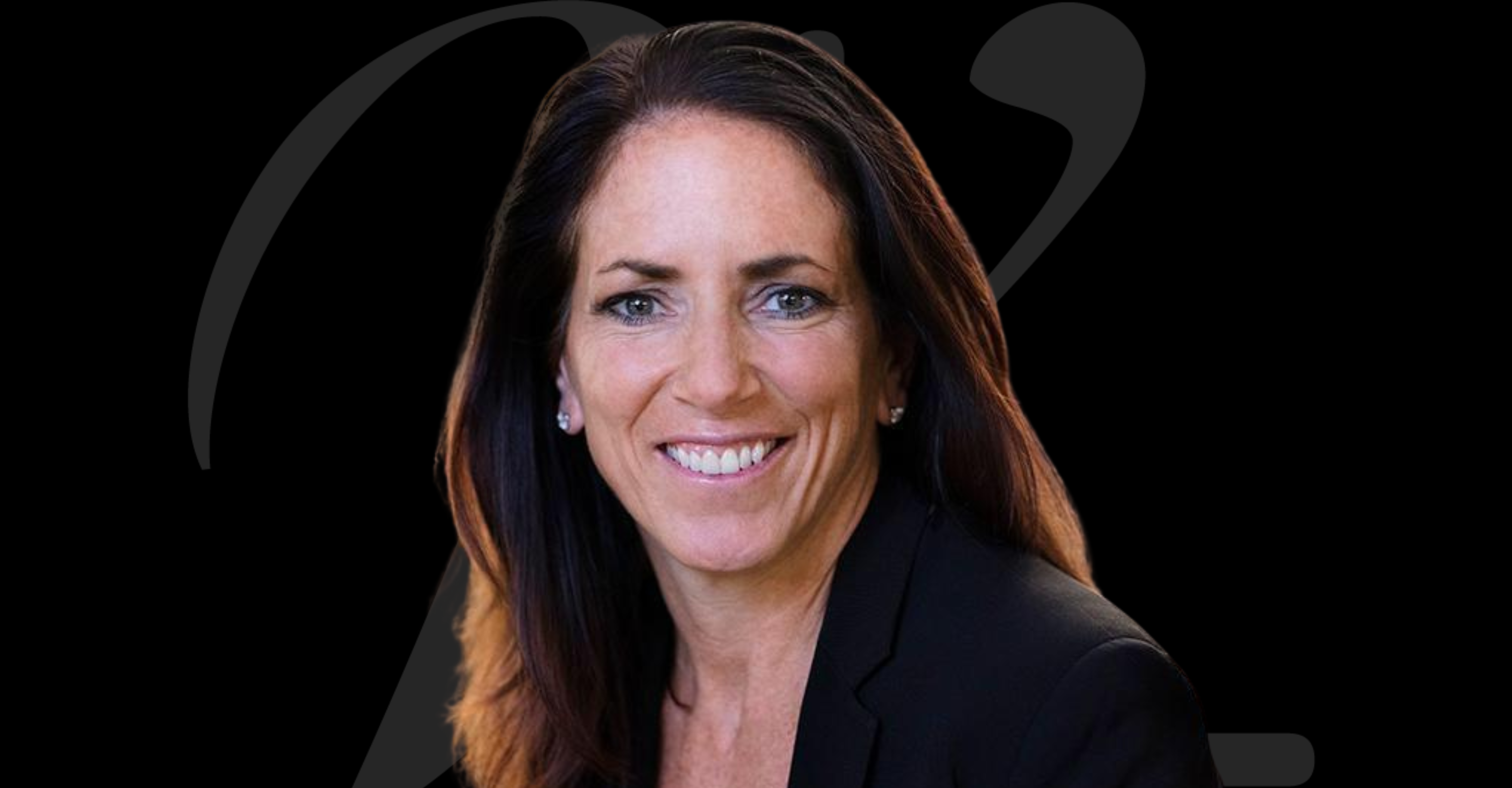
Rebecca Messina, former Global CMO of Uber and Beam Suntory and former Coca-Cola executive, is one of the industry's foremost voices on leading through change and driving brand transformation.