

As AI changes the nature of leadership and business, Rishad Tobaccowala, futurist, author, and former Chief Growth Officer of Publicis Groupe, says the most consequential changes extend far beyond the technology itself.
For leaders preparing their organizations for the future, the challenge and the goal is rethinking long-held assumptions about how we work, while recognizing the value of people, judgment, and human connection in this brave new world.
The Catalyst
Rishad opened a recent LEAP Flagship session with a provocative observation: “Jobs are a silly phase that work is going through.”
His point is rooted in a fundamental distinction between work and the structures that organizations have built around it. The conventional full-time job, he argued, represents one way of organizing labor, as emerging technologies create new ways for businesses to access capabilities, coordinate activities, and create value.
This point of view is rooted in Understand the Landscape, the second of the LEAP Six Pillars of Leadership. As he has emphasized in previous LEAP lessons, leaders must continually expand their understanding of the forces reshaping their industries, organizations, and careers.
AI makes that responsibility especially urgent. As automation and intelligent agents become more capable, leaders must reconsider which activities require human involvement, how teams should be structured, and where their organizations can create meaningful differentiation.
Read more from Rishad in “Why Change Sucks but Irrelevance Is Worse.”
The Approach
Rishad encouraged participants to begin by questioning the assumptions embedded in their organizational structures.
“Companies are organized around jobs, but they should be organized around work,” he explained.
The distinction has significant implications. A company organized primarily around traditional job descriptions may struggle to adapt as technology changes the activities that need to be performed. A company that begins with the work itself can more deliberately determine which capabilities, people, partnerships, and technologies are best suited to delivering an outcome.
But as AI capabilities become more widely available, Rishad believes a second question becomes equally important: what will distinguish one organization from another when many have access to similar technology? As one participant in a summer Virtuosi League Executive Roundtable noted, we’ll all have the same tech stack someday, just as everyone eventually got email, video conferencing, and messaging. What then?
“The differentiation in a company will be you,” he told the class. “And you should not run from that. It's going to be the people, it's going to be the brands, it's going to be recognizing that people choose with their hearts, and they use numbers to justify what they just did.”
That perspective is consistent with a theme running throughout Rishad's work, including his book Restoring the Soul of Business: Staying Human in the Age of Data. Technology can dramatically expand what organizations are capable of accomplishing, while the people using it remain essential to determining what is worth pursuing and why it matters.
For Rishad, this also changes the nature of organizational transformation, another widely discussed but not always-defined term: “Recognize that companies do not transform, people do. Industries don't transform, talent does.”
He challenged leaders to consider whether their investment in people matches their investment in technology, offering a memorable rule of thumb: “For every dollar you put in AI, you’ve got to put $2 in training people.”
The specific ratio is less important than the principle behind it. Organizations need to develop the skills, confidence, and adaptability of their people alongside the capabilities of their technology. That includes helping teams understand how their work will evolve and creating the conditions for them to contribute to that evolution.
Rishad also emphasized that successful transformation requires navigating the human dynamics inside organizations. When asked about identifying existential threats and opportunities, he distilled the challenge into a particularly direct observation: “AI is less about technology and more about politics, people, power, and partnering.”
The decisions that determine whether a transformation succeeds often involve competing priorities, organizational incentives, influence, and trust. Leaders must understand those dynamics and build alignment around the changes they hope to make.
The Takeaway
Understanding the landscape requires leaders to recognize how technology is changing the nature of work and how those changes will affect the people and organizations they lead. It demands curiosity, experimentation, and a willingness to revisit familiar structures before those structures become obstacles to progress.
Rishad's central message is that the future of work remains a profoundly human leadership challenge. Organizations that invest in their people, rethink how work gets done, and develop the judgment to navigate change will be better positioned to turn technological possibility into lasting advantage.
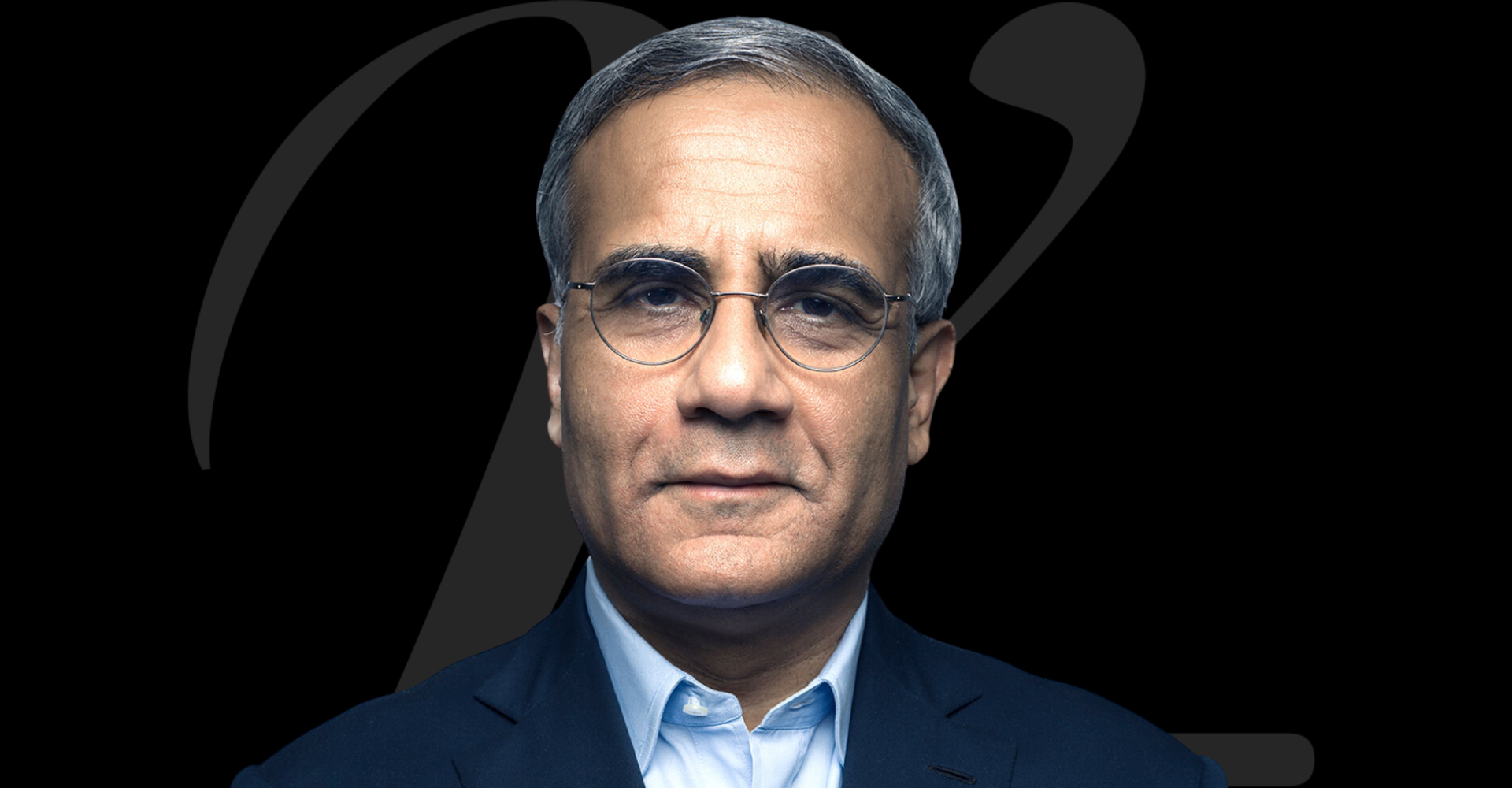
Rishad Tobaccowala is an author, futurist, senior advisor, and former Chief Growth Officer of Publicis Groupe. He is the author of Restoring the Soul of Business: Staying Human in the Age of Data and Re-Thinking Work. A returning LEAP Flagship professor, he is known for his perspectives on the future of work, technology, and the human dimensions of business transformation.