

The further you advance as a leader, the less you can accomplish through authority alone.
Your biggest priorities increasingly depend on people you do not manage: peers with competing objectives, executives making decisions across the enterprise, partners outside the organization, and stakeholders whose support can accelerate an idea or stop it altogether.

Build Bridges, the fifth of the LEAP Six Pillars of Leadership, is the practice of developing the relationships and influence required to create alignment across those boundaries. It asks leaders to cultivate trust and credibility across the enterprise so they can bring people together around opportunities, navigate competing priorities, and move the organization forward.
Most leaders already understand that relationships matter, but the difficulty lies in building the right relationships deeply enough and early enough.
As responsibilities grow, leaders can easily concentrate their relational energy on the people closest to them: their teams, their managers, and the colleagues they work with every day. Yet enterprise leadership requires a much broader ecosystem. Relationships must extend across functions, upward through the organization, and outward into networks that can offer perspective, expertise, and support.
The leaders in the Virtuosi League community approach this challenge from different angles, but all of these experiences show that building bridges is a discipline practiced long before a leader needs someone else's support.
Daniel Cherry III: Engineer Relationships That Can Carry the Load
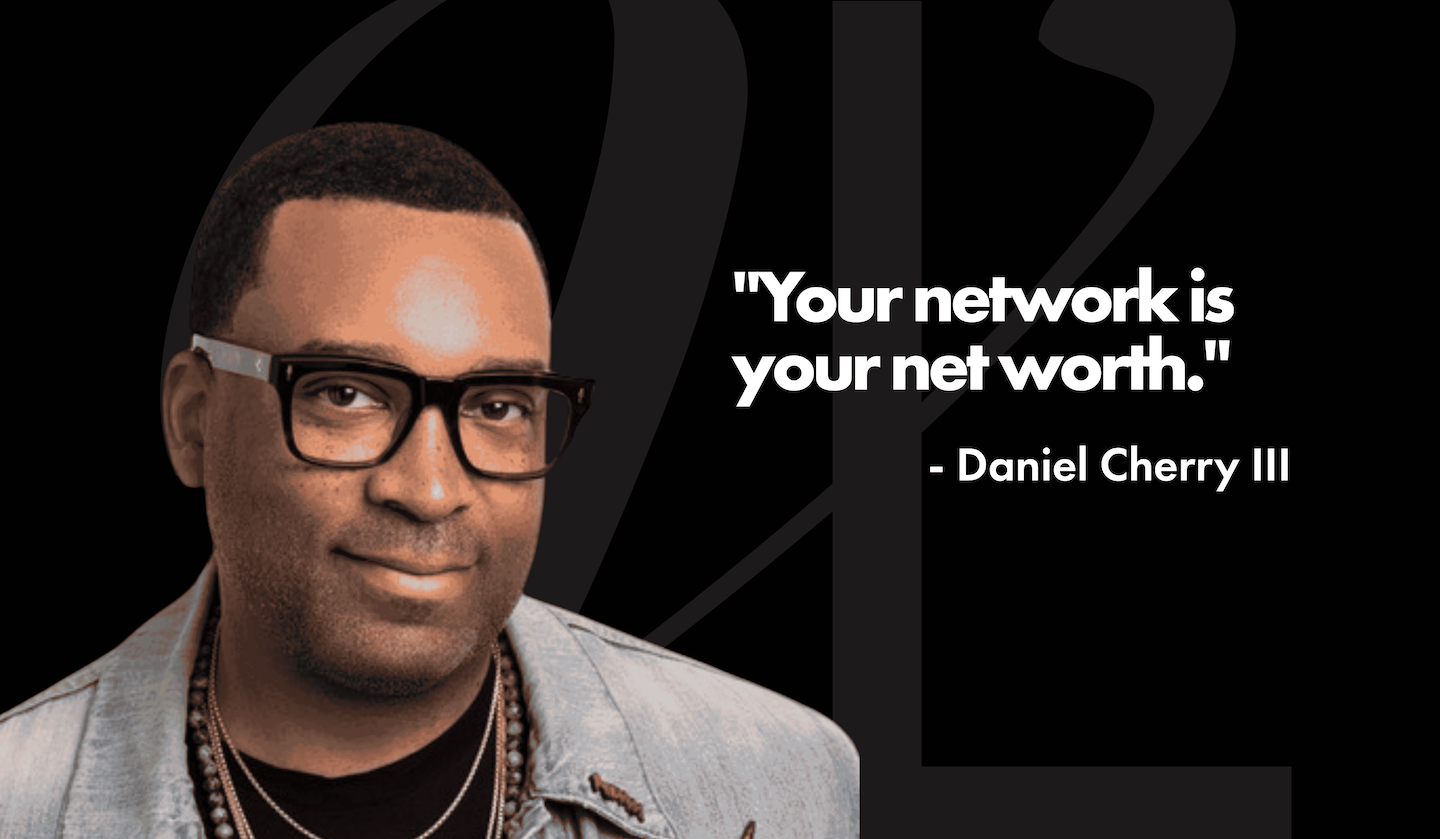
Daniel Cherry III, Global CMO of Vans, encourages leaders to think about relationships the way an engineer thinks about a bridge: understand what the structure may eventually need to carry, test its strength, identify weaknesses, and reinforce it before pressure arrives.
That philosophy has been tested during consequential moments in his own career. While at Adidas, Daniel had intentionally developed relationships with members of the board and experts outside the company before a highly public crisis put those relationships under extraordinary pressure. When he needed counsel and support, the trust already existed.
His experience informs a disciplined approach to relationship-building. Daniel encourages leaders to map the people who influence his or her ability to succeed, inside and outside their organizations, then honestly assess the strength of those connections. A strong bridge exists when someone understands your judgment, assumes positive intent, advocates for you when you are absent, and can help bring you into conversations where your perspective matters.
That work requires depth. As Daniel puts it, "Your network is your net worth," but the value of that network comes from authentic investment rather than transactions. Leaders strengthen relationships through curiosity, generosity, business acumen, and consistent attention over time.
The real test arrives when conditions become difficult. Reorganizations, career transitions, disagreements, crises, and personal challenges all put pressure on a leader's network. Daniel's lesson is to engineer those bridges before they have to carry the weight.
Learn how Daniel Cherry III builds bridges that can withstand real tests over time.
Ken Turner: Build in Every Direction
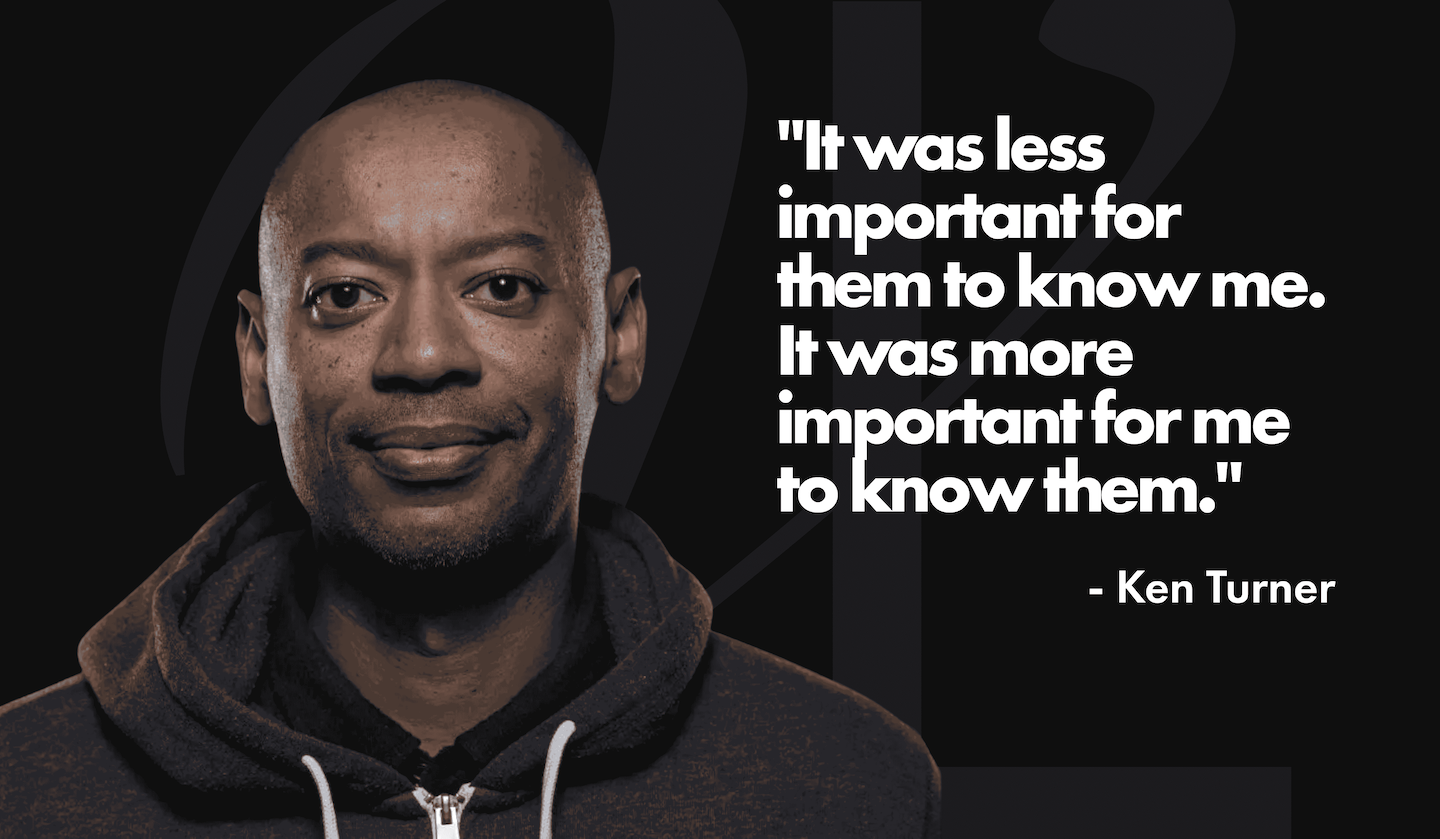
Relationships become more complex as leadership expands, and Ken Turner, CMO at Fanatics Collectibles, offers leaders a practical way to examine where they are investing their relational energy.
His Four Bridges model asks leaders to look in four directions: down to their teams, across to peers, up to senior leadership, and out to their external networks. Each bridge serves a different purpose, and leadership effectiveness depends on developing relationships across the entire ecosystem.
Ken has practiced that philosophy at an unusually personal scale. When he became CMO of Red Bull North America during a period when employees were working remotely, he scheduled hundreds of short conversations with people across the organization. He wanted to understand what mattered to them, what they were experiencing, and what they wished their new leader knew.
"It was less important for them to know me. It was more important for me to know them."
Those conversations helped Ken identify organizational patterns while building trust one person at a time. They also illustrate the principle behind his Relationship Audit: map where you are investing your time, compare that with where your greatest leadership impact could come from, and intentionally close the gap.
The goal is not equal investment everywhere, because different moments will demand different bridges. The discipline is noticing when your relationship portfolio no longer matches what the business requires.
Read the guidance from Ken Turner on building bridges in every direction: up, down, across, and out.
David Edelman: Earn Credibility Before You Ask for Influence
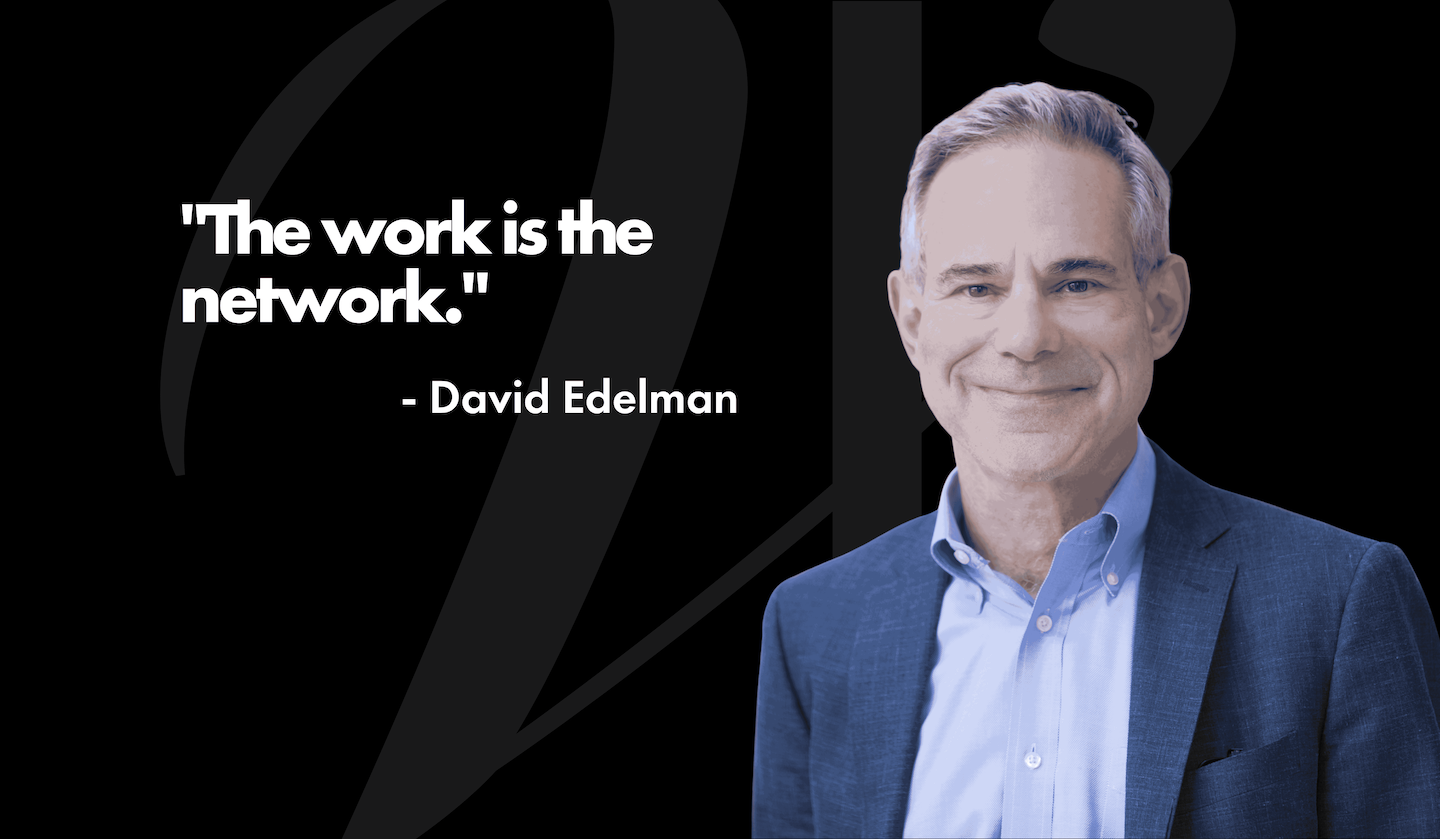
Having the right idea does not guarantee that an organization will act on it. David Edelman has learned that influence often depends on the credibility established before the recommendation ever reaches the table.
When David became Aetna's first CMO in the company's long history, he entered a complex organization without healthcare experience and with a mandate that required cooperation across previously separate businesses. His instinct was to begin with questions rather than prescriptions.
That sequence became central to his approach: diagnose, build credibility, then influence.
"The work is the network," David reminds leaders. Building relationships across functions is part of how enterprise work gets accomplished because meaningful initiatives rarely live neatly inside one organizational boundary. They depend on people with different incentives, expertise, priorities, and definitions of success.
Credibility grows when leaders understand those realities before advocating for their own agenda. By learning what matters to others, identifying the network of people required to move an idea, and demonstrating an understanding of their challenges, leaders create the conditions for influence.
The bridge to action is often built before the pitch begins.
Read more from David Edelman on building bridges to build credibility and influence.
Mark Weinstein: Invest in Relationships Before You Need Them
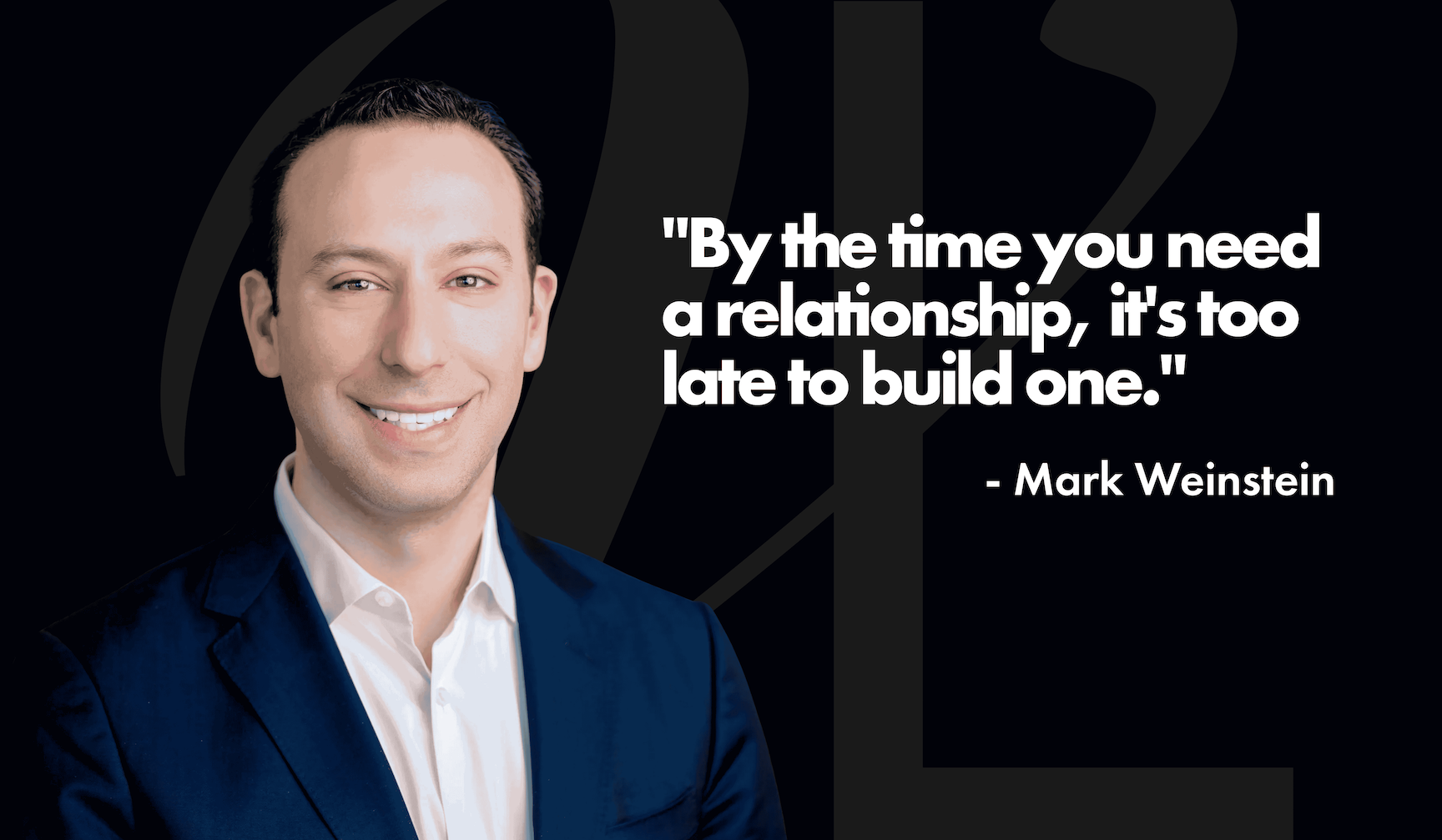
For Mark Weinstein, Chief Marketing and Guest Experience Officer at Target and former CMO of Hilton, the value of a bridge becomes clearest when circumstances suddenly demand that it carry enormous weight.
During the pandemic, Hilton went from record performance to a near-total collapse in customer demand in a matter of days. The company needed to make decisions and mobilize partnerships at extraordinary speed. Years of relationship-building suddenly became essential infrastructure.
"By the time you need a relationship, it's too late to build one," Mark says.
One example came when Hilton and American Express partnered to donate one million hotel rooms to frontline medical workers. Making that happen required operational coordination and significant financial commitment, yet years of trust between the organizations allowed leaders to move from an idea to action quickly.
Mark's lesson reframes networking as something much deeper than maintaining a list of contacts. Strong bridges develop through years of reliability, shared values, and having each other's backs. A message that generates an immediate response during a crisis may appear spontaneous, but the trust behind it can be decades in the making.
Leaders who consistently invest in relationships create possibilities they cannot always predict in advance.
Read more from Mark Weinstein, whose relationships and bridge-building efforts helped him through a difficult business period.
Charisse Hughes: Build Trust Around Difficult Decisions
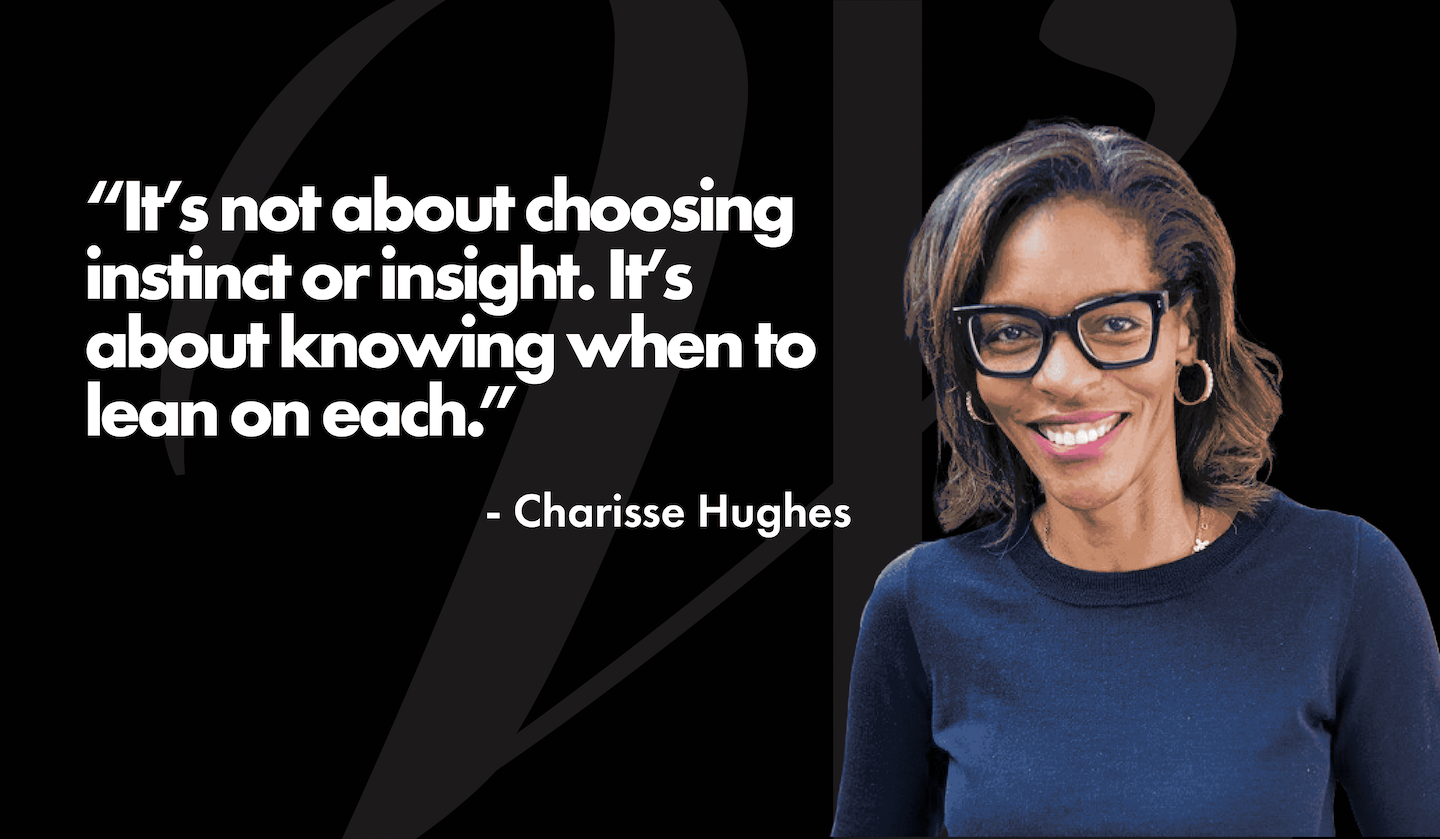
Bridge-building becomes especially important when leaders have to make decisions without perfect information.
Charisse Hughes, former Chief Growth Officer at Kellanova, learned early in her career to rely heavily on data and structured frameworks. Experience taught her that complex decisions also require judgment, instinct, and the perspectives of people around the table.
Her approach combines rigor with stakeholder engagement. She structures decisions around short- and long-term implications, tests ideas through smaller bets, deliberately seeks perspectives that challenge her assumptions, and remains alert to the risks of groupthink.
That last point is particularly important, because building bridges does not require creating consensus around every decision. Leaders still have to exercise judgment.
The strength of the bridge comes from ensuring that people have been heard, the evidence has been considered, and the leader can explain how the decision was reached. In that environment, disagreement does not have to erode trust.
Learn the framework that Charisse Hughes leans on to build strong bridges.
Kenny Mitchell: Go Deep Where Influence Actually Lives
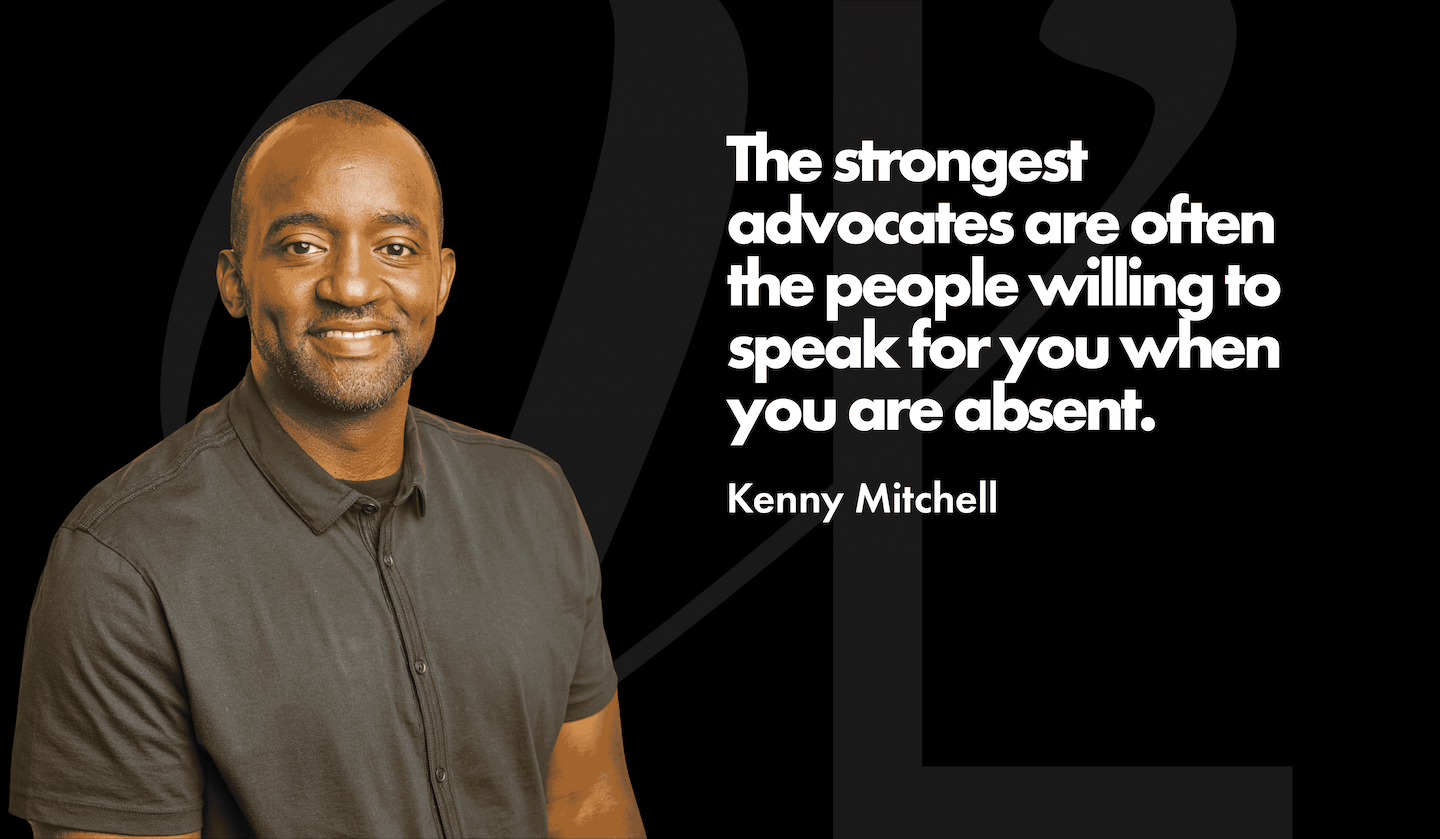
Kenny Mitchell, Global CMO of Levi Strauss & Co., offers another challenge to conventional ideas about professional networks: depth can matter far more than breadth.
His career has crossed sports, consumer products, restaurants, technology, and retail, and many of his professional moves have grown from relationships with people who knew his work and character firsthand. The strongest advocates are often the people willing to speak for you when you are absent.
Kenny pairs that focus on deep relationships with another leadership discipline: understanding an organization's "center of gravity."
Every company has places where decisions and influence naturally concentrate. In one organization that might be marketing; in another it could be operations, product, finance, or a combination of functions. Leaders who understand those centers of gravity can build stronger relationships with the people who shape how work actually moves.
Kenny also emphasizes the importance of trusted truth-tellers. Senior leadership can create distance from candid feedback, making a few deep relationships especially valuable. Trusted peers can serve simultaneously as advocates and sounding boards, helping leaders understand how they are showing up and what they may be missing.
Learn how Kenny Mitchell follows the center of gravity for influence in an organization.
Mark Kirkham: Create Common Ground Across Differences
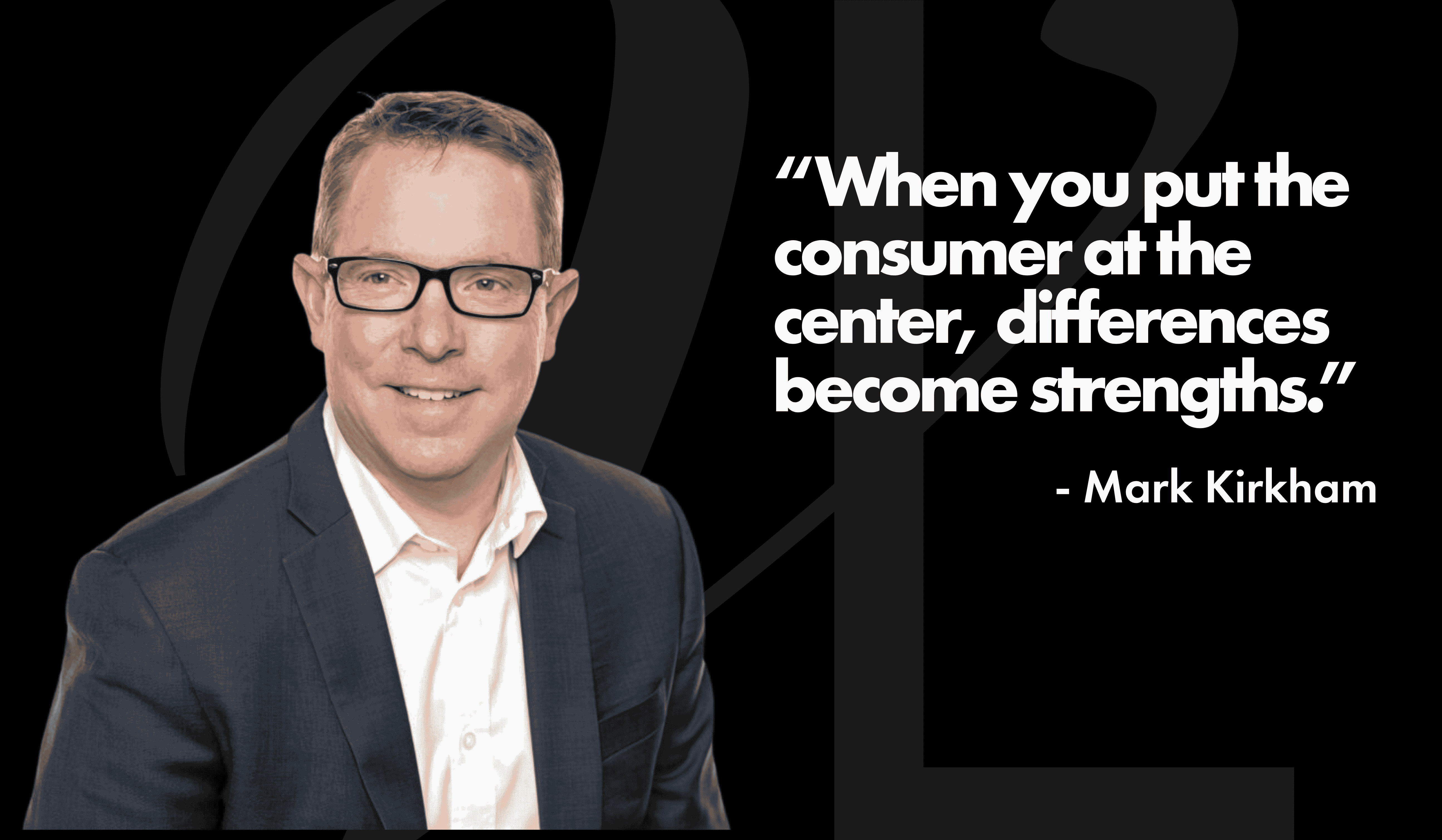
Sometimes the challenge is connecting people who see the same opportunity from entirely different perspectives.
Mark Kirkham, CMO of PepsiCo Beverages North America, has spent decades working across brands, functions, and markets where global scale must coexist with local knowledge. In that environment, differences in perspective can easily become sources of friction.
His approach is to create common ground around the consumer.
When global and local teams disagree, centering the conversation on consumer needs can shift the discussion away from organizational ownership and toward a shared outcome. Global teams bring scale and resources. Local teams bring cultural fluency and market knowledge. The objective is to connect those strengths rather than force one perspective to prevail.
Mark sees the leader as both translator and connector. R&D, sales, marketing, operations, and other disciplines naturally speak different languages and approach problems through different lenses. Leaders build bridges by helping those groups understand one another and see how their expertise contributes to a common objective.
Learn how Mark Kirkham uses bridges to create alignment and a shared reason to work together.
Relationships Are Leadership Infrastructure
/Across these leaders' experiences, one principle repeats: relationships built only when they are needed rarely have the strength of relationships built consistently over time.
Daniel Cherry treats them as structures that must be engineered to withstand pressure. Ken Turner maps them in every direction and regularly examines where his attention should go. David Edelman establishes credibility before trying to influence. Mark Weinstein invests years before the urgent call arrives. Charisse Hughes uses stakeholder engagement to strengthen decision-making and trust. Kenny Mitchell prioritizes depth and understands where influence actually lives. Mark Kirkham creates common ground that connects people across different functions and perspectives.
Together, their experiences reveal why Build Bridges is an essential leadership practice.
As leaders become more senior, their ability to create impact becomes increasingly dependent on people they cannot direct. Authority reaches the edge of the function. Relationships extend far beyond it.
Those bridges allow ideas to travel, differences to become productive, trust to survive disagreement, and people with competing priorities to find enough common ground to move together.
Building Bridges Expands the Reach of Leadership
The LEAP Six Pillars of Leadership reflect the expanding scope of leadership itself.
Reinforce Your Foundation begins with the leader. Understand the Landscape turns attention toward the organization and its context. Clear the Path removes the barriers standing between people and progress. Strengthen Your Teams develops the capability and confidence of those closest to the work.
Build Bridges extends that impact across the enterprise.
It asks leaders to recognize that their ability to accomplish something meaningful will often depend on relationships developed long before a particular initiative, decision, or crisis makes those relationships necessary.
The strongest bridges take time to build. That is precisely why the work has to begin before you need to cross them.

In Case You Missed It:
- Pillar 1: Reinforce Your Foundation, the leadership work that starts within
- Pillar 2: Understand the Landscape, why leaders look, learn, and listen before they leap
- Pillar 3: Clear the Path, removing obstacles to help people and organizations move
- Pillar 4: Strengthen Your Teams, creating the conditions for people to perform at their best
Continue Building Your Leadership Practice
The LEAP Six Pillars of Leadership form the foundation of our programs, including LEAP Flagship and LEAP Essentials. Apply for a spot today.