

Leadership will always test what you believe about yourself.
Through the long arc of a career, strategies fail, organizations restructure, and criticism (of self and from others) gets louder. A role that once felt secure feels shaky, or the playbook that produced success for years suddenly stops working with shifts in the market or industry. Leaders are expected to navigate those moments while continuing to provide clarity, confidence, and direction for everyone around them.
Resilience is a product of our capacity and ability to do this effectively and consistently, with our mental health intact, over time.

Fortify Resilience, the sixth and final of the LEAP Pillars of Leadership, is the practice of sustaining momentum, adaptability, and endurance through challenges, failures, and setbacks. It means developing the capacity to absorb difficulty, learn from it, recalibrate, and continue leading with intention.
That capacity becomes increasingly important as leadership responsibilities increase. Senior leaders often carry uncertainty that cannot immediately be resolved and pressures they cannot fully share with their teams. They must make consequential decisions without complete information, endure scrutiny from multiple directions, and help others move forward even when they are navigating their own doubts.
This all sounds difficult, and it is. But resilience is built long before the hardest moments arrive.
The leaders in the Virtuosi League community show us that resilience comes from purpose, values, relationships, trust, curiosity, and practices established over time. In that sense, the sixth pillar takes us directly back to the first: there is no fortifying resilience if you haven’t first reinforced your foundation.
Kalen Thornton: Resilience Starts With Knowing Who You Are
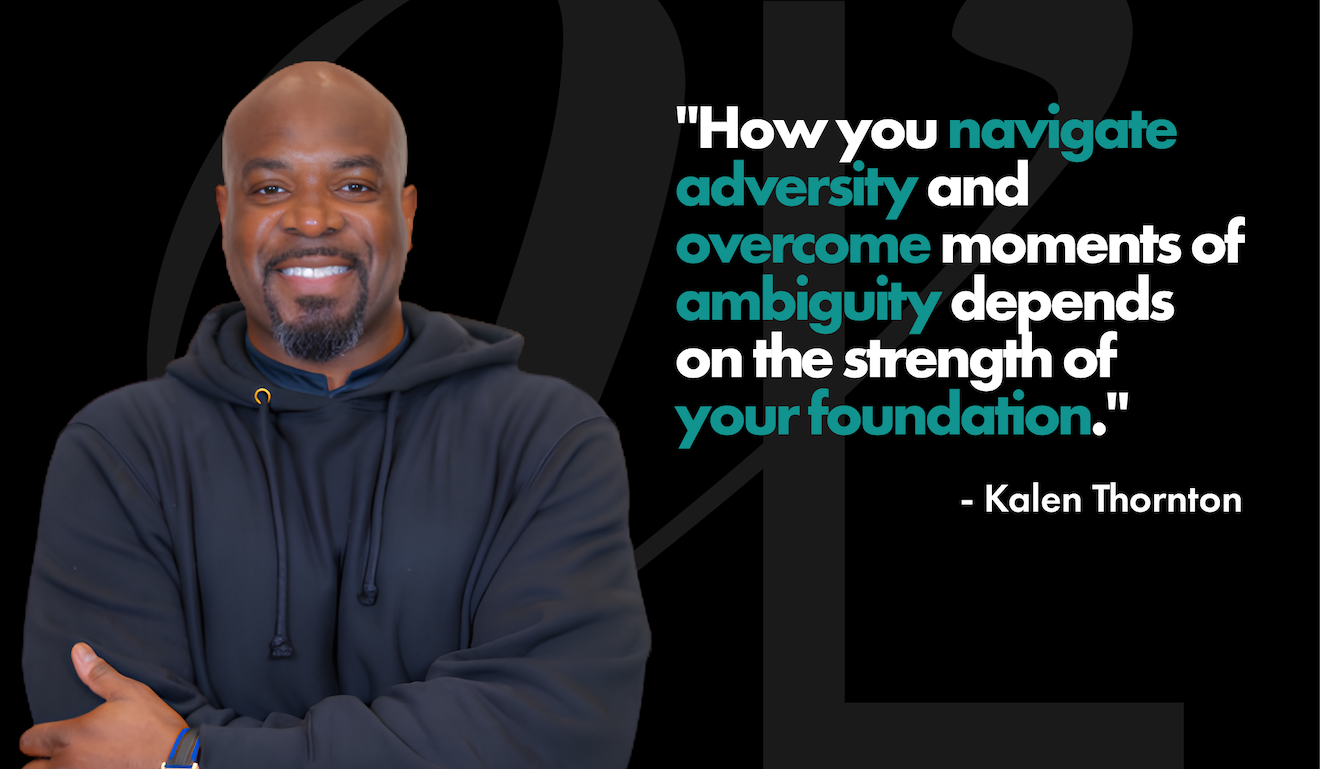
Kalen Thornton's career has required reinvention more than once. Before becoming a marketing executive with leadership experience across Nike, Gatorade, and Pizza Hut, he was a professional football player whose lifelong dream ended earlier than expected because of injuries.
When so much of your identity has been built around one pursuit, losing it forces the difficult question of who you are without it.
That experience shaped how Kalen now thinks about resilience. He learned to separate his identity from a particular title, company, or career and ground himself instead in the things that could travel with him from one chapter to another: family, values, purpose, and a clear sense of self.
“A big part for me on how you stay resilient, how you navigate adversity and overcome areas or moments when there’s a lot of ambiguity is the strength of your foundation,” he told a recent LEAP Essentials class.
His lesson brings the Six Pillars full circle. Reinforce Your Foundation asks leaders to understand their values, purpose, priorities, and the principles that guide how they show up. Five pillars later, that work becomes the source of strength leaders draw from when circumstances change around them.
Kalen pairs that grounding with curiosity. Experience gives leaders lessons they can carry forward, but resilience requires recognizing when an old playbook no longer fits a new environment. Curiosity allows leaders to keep learning and adapting without losing the core of who they are.
That distinction also helps leaders recognize when resilience means persevering and when it means moving on. Staying in a situation that fundamentally conflicts with your values is not always evidence of endurance. A strong foundation gives leaders the clarity to understand which challenges are worth pushing through and which ones are asking them to choose another path.
Read more from Kalen Thornton about the ties between a strong foundation and capacity for resilience.
Antonio Lucio: Give Yourself Permission to Need Support
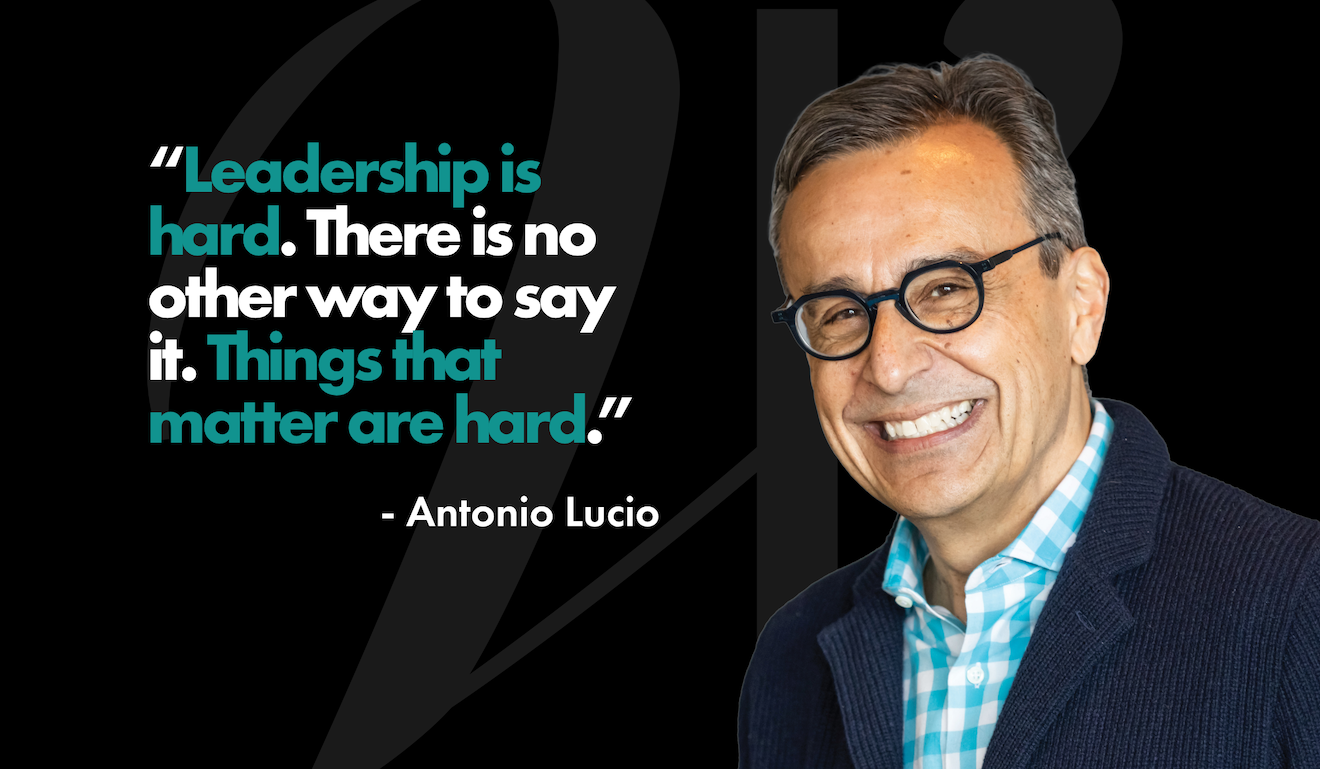
Antonio Lucio has spent decades leading some of the world's most visible brands, and his experience has taught him to speak candidly about a side of leadership that is discussed far less often.
“Leadership is hard. There is no other way to say it. Things that matter are hard.”
Senior leadership can bring loneliness, self-doubt, and moments when the confidence others see does not match what the leader feels internally. The expectation that leaders should absorb those pressures privately can make difficult periods even harder.
Antonio's approach to resilience begins with acknowledging that reality. Vulnerability and support systems give leaders somewhere to process uncertainty rather than pretending it does not exist. Trusted relationships create space to challenge assumptions, regain perspective, and remember that asking for help can coexist with being the person others depend on.
That practice also connects resilience to the work leaders have done across the other pillars. The relationships built through Build Bridges become sources of support. The trust created while Strengthening Your Teams makes honest conversations possible. The self-awareness developed through Reinforce Your Foundation helps leaders recognize when they need those resources.
Resilience becomes stronger when leaders stop treating it as a solitary act.
Learn how Antonio Lucio draws upon his trusted community and strong sense of self to fortify resilience.
Craig Brommers: Build Resilience Before the Storm
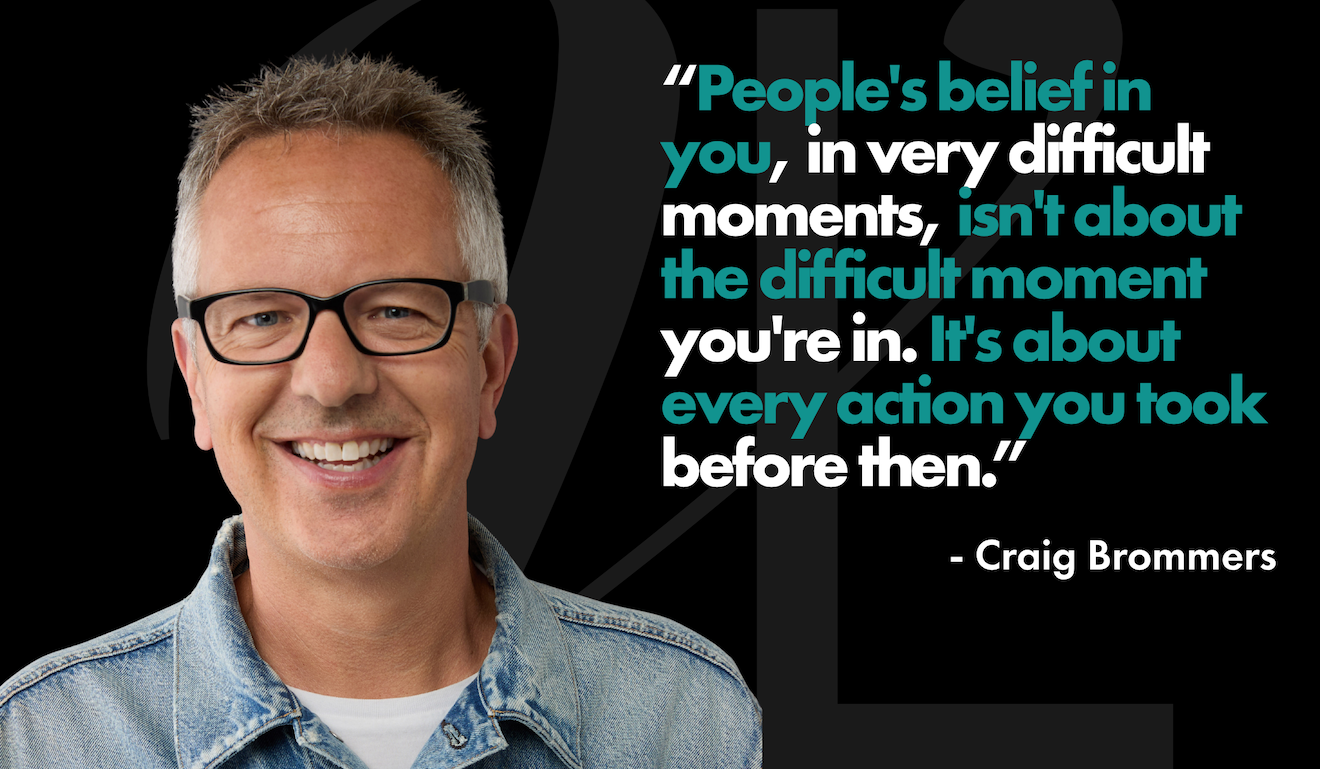
The most difficult leadership moments often reveal work that happened (or didn’t happen) much earlier.
Craig Brommers, CMO of American Eagle, has led through high-pressure moments where employees, customers, and external audiences are watching closely. His experience has taught him that credibility during a crisis cannot suddenly be manufactured when conditions become difficult.
“People’s belief in you, in very difficult moments, is not about the difficult moment you're in,” Craig says. “It's actually about every action you took before then.”
Every decision, conversation, promise kept, and moment of consistency makes a deposit. Over time, those actions create a reserve of trust that leaders can draw upon when uncertainty arrives.
That changes how we think about fortifying resilience. Preparation happens during ordinary moments as much as extraordinary ones.
Leaders build resilience by creating strong relationships before a crisis, establishing clear values before those values are tested, and demonstrating consistent behavior before people need reassurance. When the storm arrives, people have evidence for deciding whether to trust the person guiding them through it.
Resilience is therefore something leaders accumulate through practice.
Dive into more insights from Craig Brommers on the practice of developing resilience bit by bit over time.
Deborah Wahl: Be the Anchor Others Can Hold Onto
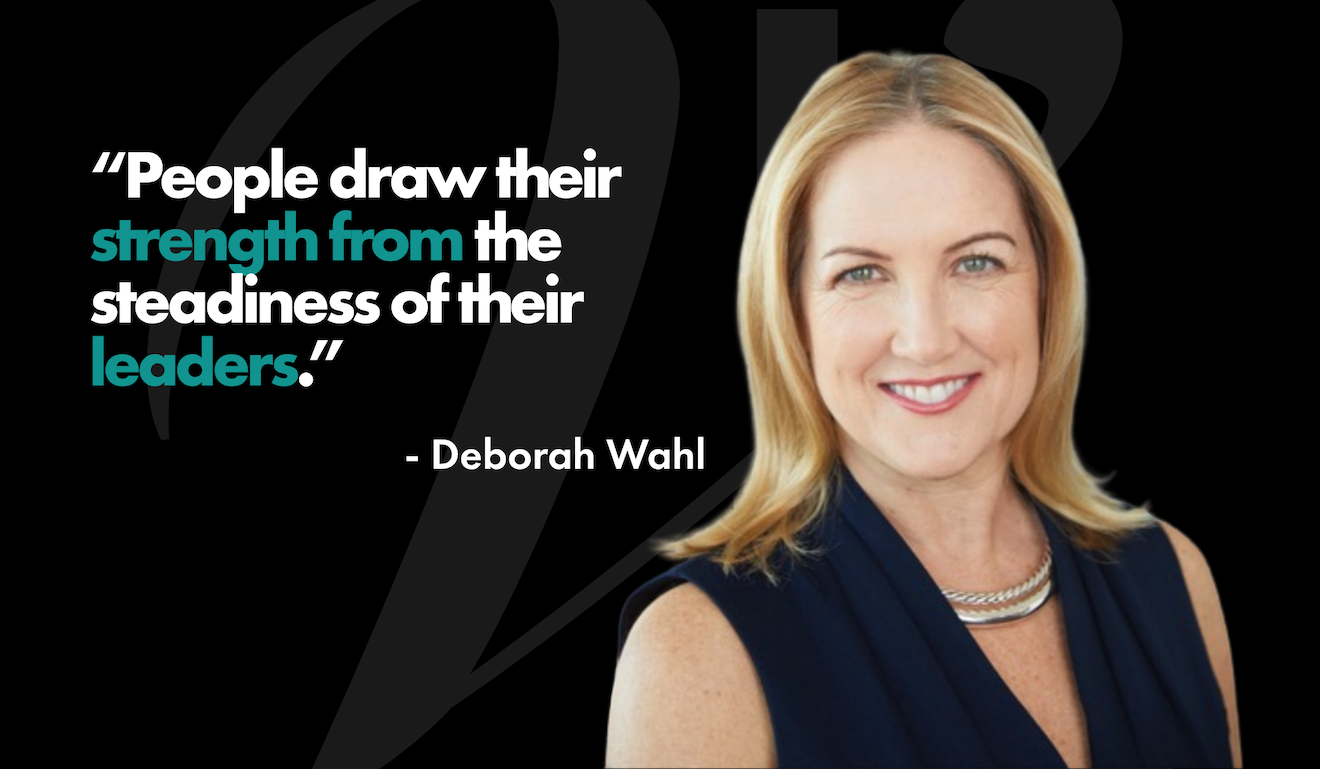
During disruption, a leader's resilience affects far more than the leader.
Deborah Wahl has led through enormous transformation across industries, including automotive and restaurants. Her experience has reinforced the importance of steadiness when organizations are navigating uncertainty.
“People draw their strength from the steadiness of their leaders.”
Steadiness does not require pretending to know exactly what will happen next. Leaders can acknowledge uncertainty while remaining clear about what the organization values, what matters most right now, and where people should focus their energy.
That clarity gives teams something stable to orient around.
Deborah's lesson highlights an important evolution in resilience as leaders become more senior. Early in a career, resilience can feel personal: Can I recover from this setback? Can I keep going?
Leadership expands the question: Can I create the conditions that help other people keep going too?
Purpose, priorities, and presence allow leaders to become anchors during uncertain periods. Their steadiness reduces unnecessary ambiguity and gives teams confidence that even when the environment is changing, there is still a way forward.
Read more from Deborah Wahl on developing resilience in self to fortify it in others.
Tim Ellis: Let Purpose Withstand the Noise
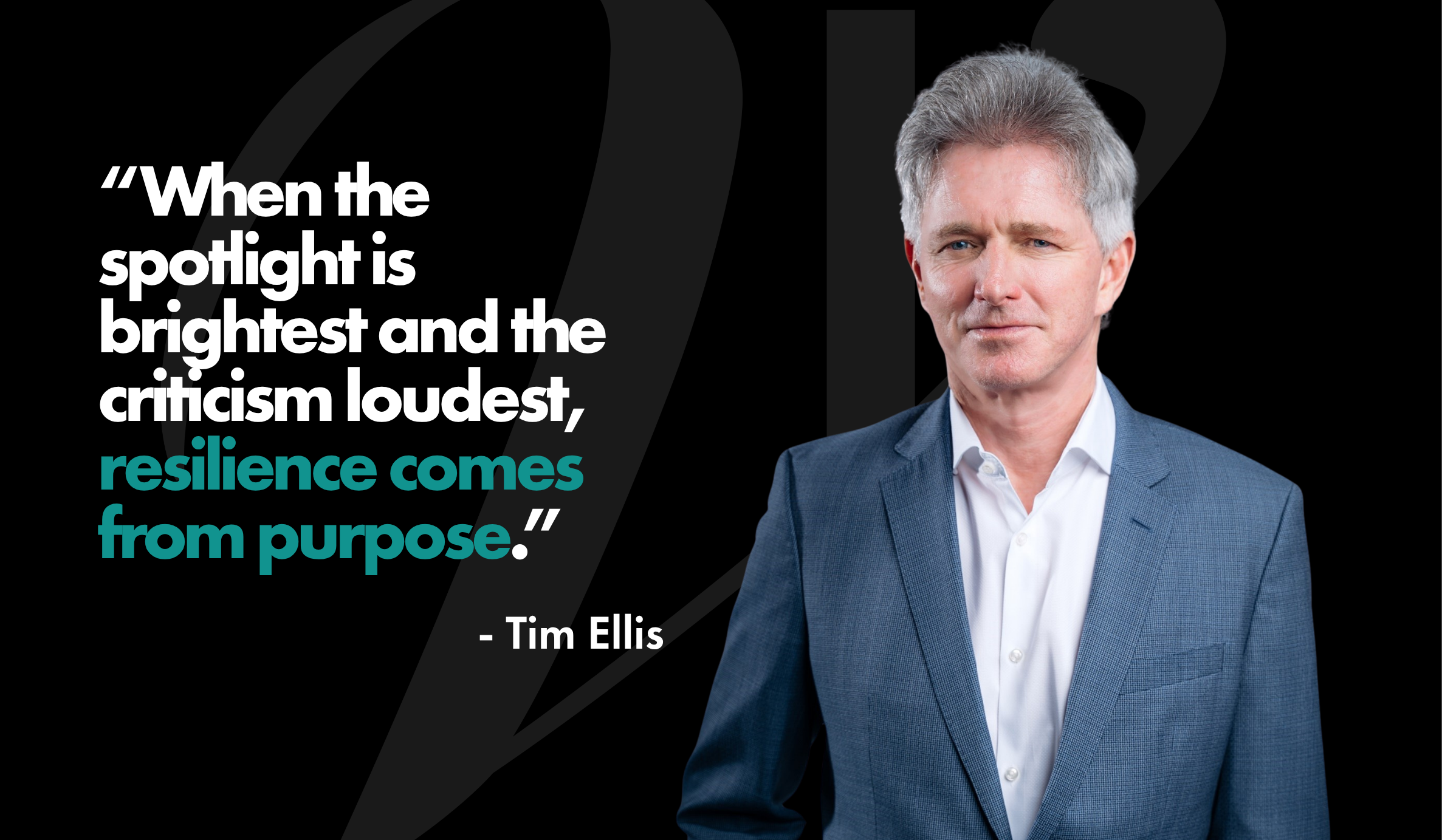
Few leadership roles escape criticism, but some operate under a particularly bright spotlight.
As CMO of the NFL, Tim Ellis leads marketing for an organization whose decisions are scrutinized by millions of fans, media outlets, partners, players, and other stakeholders. That visibility creates a constant stream of opinions about what the organization should do and how its leaders should do it.
His source of resilience is purpose.
“When the spotlight is brightest and the criticism loudest, resilience comes from purpose.”
Purpose gives leaders a filter for separating meaningful feedback from noise. It reminds them what they are trying to accomplish and provides a longer horizon against which to evaluate individual moments of criticism or difficulty.
That grounding does not make leaders immune to feedback. Resilient leadership requires listening, learning, and adjusting when new information demands it. Purpose helps leaders decide which signals deserve action and which pressures should not pull them away from what matters.
Here again, the final pillar points toward the first. A leader who has done the work to understand their purpose and values has somewhere to stand when competing voices pull them in different directions.
Resilience Is Built Before You Need It
Across these leaders' experiences, resilience is a set of reinforced practices over time, rather than an extraordinary reserve of toughness.
Kalen Thornton grounds himself in identity, values, and curiosity so he can adapt without losing himself. Antonio Lucio relies on vulnerability and support systems to navigate the difficult realities of leadership. Craig Brommers builds trust through the everyday actions that precede a crisis. Deborah Wahl uses clarity and purpose to create steadiness for the people around her. Tim Ellis returns to purpose when external pressure becomes loudest.
All of these practices are driven through reflection, relationships, consistency, curiosity, trust, and a clear understanding of what matters. When leaders invest in those things during periods of relative stability, they have something substantial to draw upon when circumstances become difficult.
That is what it means to fortify resilience: you build the muscles before you need them and keep them strong day by day.
Pillar 6 Brings Us Back to Pillar 1
The Six Pillars of Leadership were never meant to operate independently.
Reinforce Your Foundation asks leaders to understand who they are and connect their values to their actions. Understand the Landscape develops the awareness to see the environment clearly. Clear the Path addresses the barriers standing between people and progress. Strengthen Your Teams builds capability beyond the leader. Build Bridges expands influence across the relationships required to create enterprise impact.
Then comes Fortify Resilience, when all of that work is tested. In those moments, the final pillar sends us back to where the work began.
There is no Pillar 6 without Pillar 1, because resilience needs a foundation. Though this is the last installment in the series, the lesson is that the lessons never end. Leadership development does not move neatly from one practice to the next until the work is finished. The strongest leaders return to these practices again and again, reinforcing what matters, adapting to what has changed, and becoming better prepared for whatever leadership asks of them next.

The LEAP Six Pillars of Leadership
- Pillar 1: Reinforce Your Foundation, the leadership work that starts within
- Pillar 2: Understand the Landscape, why leaders look, learn, and listen before they leap
- Pillar 3: Clear the Path, removing obstacles to help people and organizations move
- Pillar 4: Strengthen Your Teams, creating the conditions for people to perform at their best
- Pillar 5: Build Bridges, developing the relationships and influence that extend leadership across the enterprise
- Pillar 6: Fortify Resilience, building the capacity to adapt, endure, and continue leading through uncertainty
The Practice of Leadership Continues
The LEAP Six Pillars of Leadership form the foundation of our programs and the practices explored throughout Virtuosi Voices. Together, they provide leaders with a framework for navigating the increasingly complex work of leadership, from understanding themselves to sustaining their impact through whatever comes next.
Learn more about LEAP Flagship and LEAP Essentials to take the next step in your leadership journey.